Tout est bon dans l'églantier : cueillir et cuisiner le cynorrhodon
10 septembre 2026Petite baie rouge de l’automne, le cynorrhodon cache derrière ses poils à gratter une pulpe acidulée pleine de caractère. Confiture, sirop, infusion… Découvrez comment reconnaître, récolter et cuisiner ce fruit sauvage que l’on trouve dans les Hautes Vallées – La Grave, la Clarée, l’Izoard.
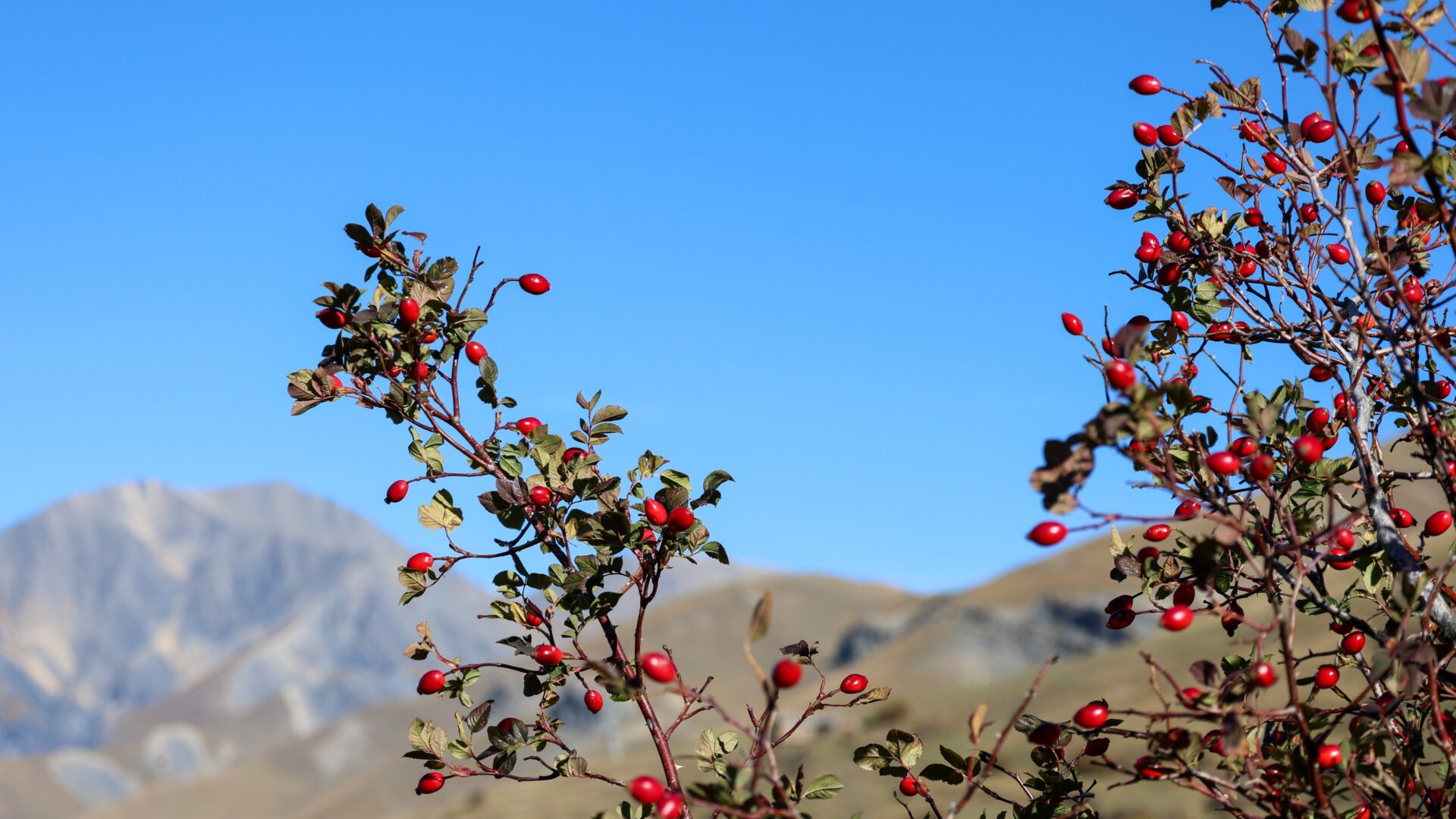
Vous avez sans doute déjà croisé ces buissons hérissés de piquants, qui se parent de fleurs délicates au printemps et de petites baies rouges à l’automne. C’est l’églantier, aussi appelé rosier sauvage. Et ses fruits, les cynorrhodons, ou “gratte-cul” sont de véritables pépites naturelles et cachent une pulpe délicatement acidulée que l’on peut transformer en confiture, en sirop ou encore en infusion.
Alors, tout est vraiment bon dans l’églantier ? Presque ! Il faut surtout savoir comment préparer ses fruits.


Le cynorrhodon,
c’est quoi exactement ?Le cynorrhodon est le fruit de l’églantier (Rosa canina). On le repère facilement en automne grâce à ses petites baies rouges, parfois ovales, parfois plus rondes. Derrière son aspect modeste se cache une richesse insoupçonnée. Le cynorrhodon est notamment connu pour sa richesse en vitamine C et pour les composés antioxydants qu’il contient. Mais ce qui fait aussi toute sa particularité, ce sont les petits poils présents à l’intérieur du fruit.
C’est d’ailleurs de là que vient son surnom de « gratte-cul » ou « poil à gratter » : ces petits poils peuvent être très irritants et doivent impérativement être retirés avant de consommer le fruit.
In the past, they were used to make herbal teas, syrups, and even remedies to strengthen the body in winter.

Quand récolter le cynorrhodon ?
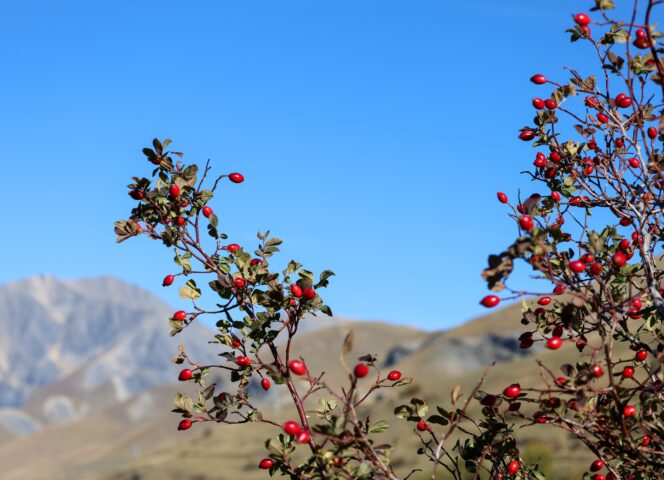
La meilleure période pour cueillir les cynorrhodons s’étend entre octobre et novembre. Il faut attendre les premières gelées de l’automne : le froid ramollit la chair et atténue l’acidité, ce qui les rend encore plus agréables à préparer.
Quelques conseils pour la cueillette
- Choisissez des fruits bien rouges, mûrs et légèrement souples.
- Lors de la récolte, armez-vous de patience… et de bons gants ! Les épines de l’églantier savent se faire sentir.
- Évitez de cueillir au bord des routes ou dans des zones susceptibles d’avoir été traitées.
- Ne prélevez que ce dont vous avez besoin.
- Et surtout, laissez une partie des fruits sur les branches : en hiver, ils constituent une ressource précieuse pour de nombreux oiseaux et petits animaux.
La cueillette sauvage, c’est aussi cela : prendre un peu, et laisser beaucoup.
Comment préparer les cynorrhodons ?
C’est ici que les choses deviennent un peu plus minutieuses.
Inside the rosehip are small seeds surrounded by very fine hairs. These famous "itchy hairs" have amused many children, but on the plate they are rather unpleasant, even irritating. It is therefore best to remove them carefully before any preparation.
La méthode classique :
-
coupez les extrémités : retirez la petite queue et les restes de la fleur.
- Rincez soigneusement les fruits.
-
ouvrez les fruits et retirez graines et poils.
- Rincez à nouveau avant de les cuisiner.
Pour les préparations comme la confiture ou le sirop, une autre méthode consiste à faire cuire les fruits puis à filtrer soigneusement la pulpe à l’aide d’un moulin à légumes ou d’un tamis fin.
Un peu de patience est nécessaire… mais c’est le prix à payer pour profiter de cette petite gourmandise sauvage !

3 recettes d'automne à base de Cynorrhodons
Une fois les fruits récoltés et préparés, place à la cuisine !
Le cynorrhodon possède une saveur naturellement acidulée qui se prête particulièrement bien aux préparations sucrées.
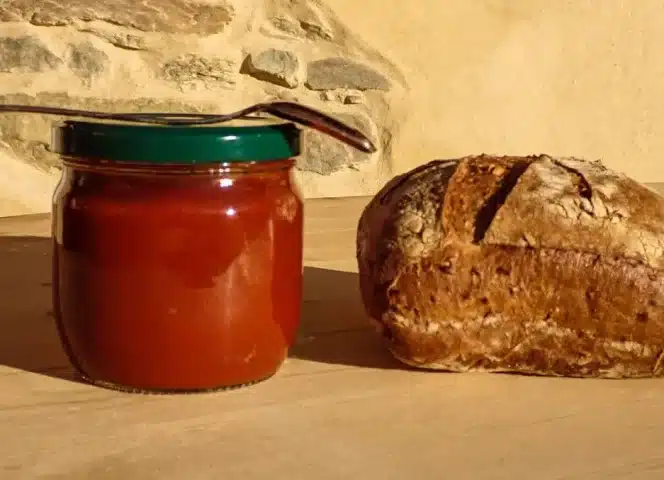
Une recette traditionnelle, parfaite pour prolonger les saveurs de l’automne jusqu’au petit-déjeuner.
Ingrédients :
- Des cynorrhodons
- De l’eau
- Du sucre : environ ¼ à ½ du poids de la pulpe, selon vos goûts
Préparation :
- Remove the remains of the flower and the stem.
- Rincer, couvrir d’eau et faire bouillir env. 30 min. jusqu’à ce qu’ils soient bien tendres.
- Pass through a potato ricer or food mill to remove the prickly hairs, once with a coarse grid and once with a fine grid.
- Add sugar, ¼ or ½ of the weight of the rose hips, according to your taste. Boil again for a few minutes.
- Immediately pour into sterilized jam jars while still hot. Once closed, turn the jar upside down and leave it for a few minutes to create a vacuum seal.
Astuce : en ajoutant un peu d’eau à cette purée de cynorrhodons, vous pouvez également obtenir un jus acidulé.
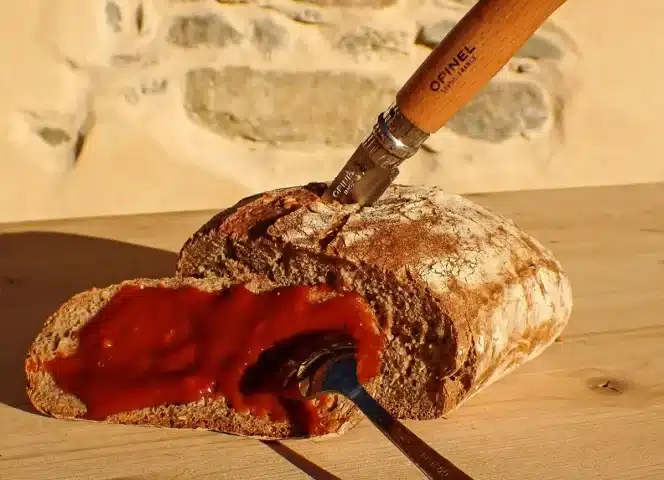
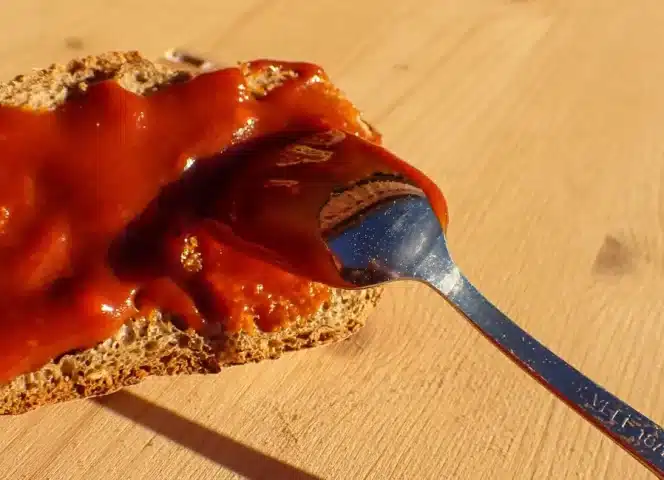
À verser sur un yaourt ou un fromage blanc, à diluer dans de l’eau ou simplement à déguster pour retrouver le goût de l’automne.
Ingrédients :
- 1 litre de cynorrhodons
- 1,25 l d’eau
- 100 à 150 g de sucre
Préparation :
- Remove any remaining flower parts and the stem, then rinse thoroughly.
- Boil until the rose hips are softened.
- Squeeze in a dishcloth to remove the itch powder.
- Refaire bouillir le jus avec le sucre. Laisser bouillir à feu doux env. 15 min en écumant de temps à autre. Verser dans une bouteille en verre stérilisée.
- Conserver au frigo.
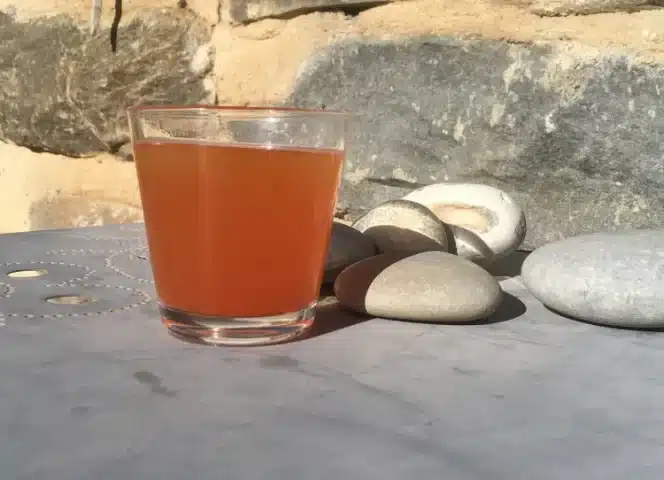

Le cynorrhodon peut également être séché puis utilisé en infusion.
Après avoir retiré les restes de la fleur et la queue, rincez les fruits puis faites-les sécher entiers ou coupés en deux, au four à basse température ou dans un déshydrateur.
Une fois secs, conservez-les dans un récipient hermétique.
Pour préparer votre infusion, utilisez quelques fruits séchés et laissez infuser une dizaine de minutes. Filtrez soigneusement avant de boire, afin de retenir les éventuels petits poils et résidus.
Anti-waste recipes
Nothing goes to waste with rose hips! Once the fruits have been emptied, you can dry the remains, grind them into powder, and add them to bread dough or cookies. This adds a slightly tart, vitamin-rich flavor while reducing waste.
And if you don't have time to use them all, don't worry: nature has taken care of everything. Birds and small mammals also love these red berries, which provide them with a valuable source of energy in the middle of winter.
To learn more about this sometimes very frugal winter diet, check out our article: