


La ferme du Lautaret – Farmhouse cheeses from the mountain pastures of the Pays de la Meije
Découvrez la Ferme du Lautaret, un havre de saveurs au cœur des majestueuses Alpes. Nichée dans le pays de la Meije, cette ferme incarne l’authenticité des alpages et offre une expérience unique autour des fromages fermiers.
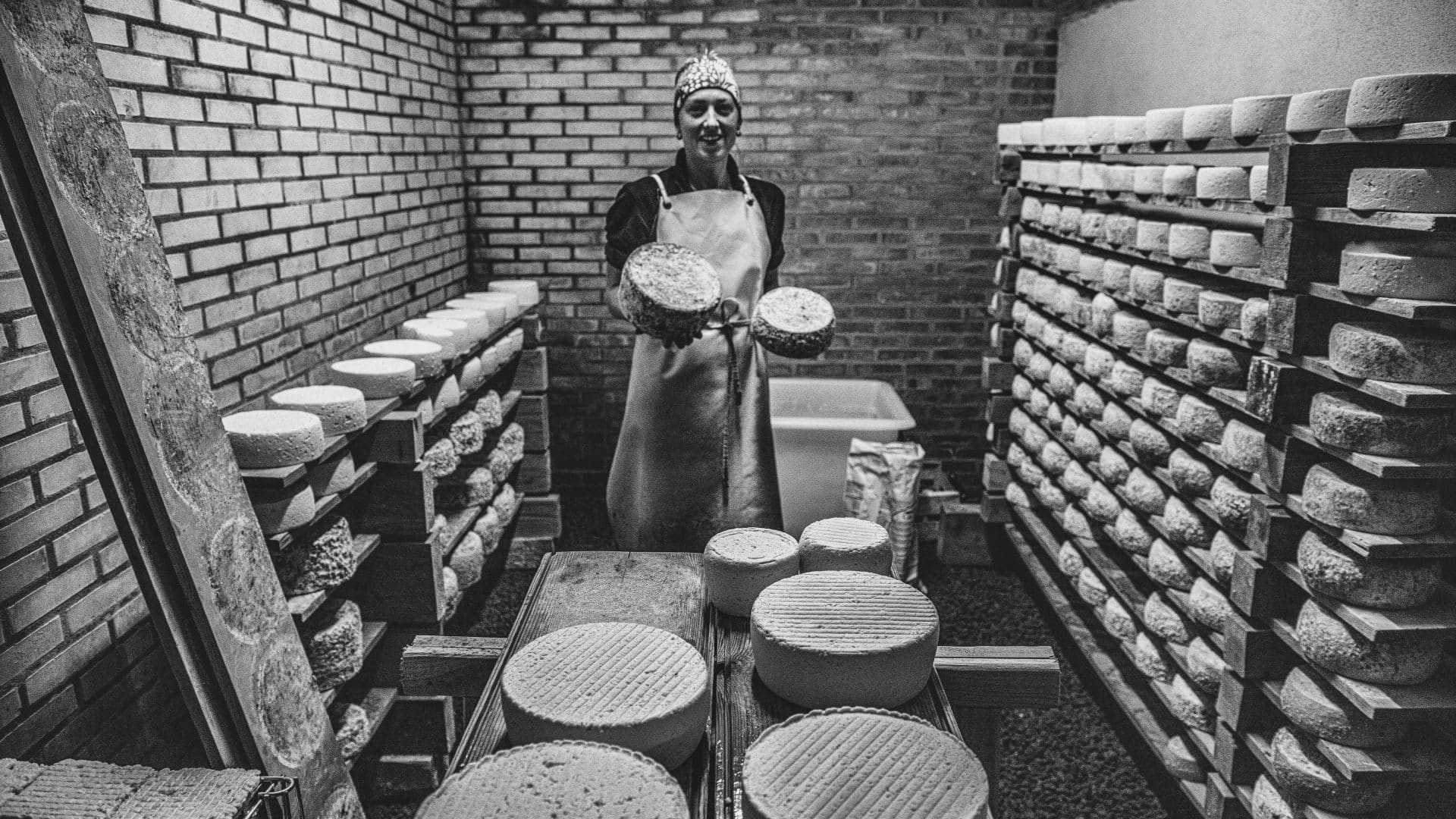
Ils fabriquent fromages et faisselles avec le lait enrichi par les fleurs des alpages, au hameau des Cours, Villar d’Arène, l’hiver et au chalet d’alpage en été.
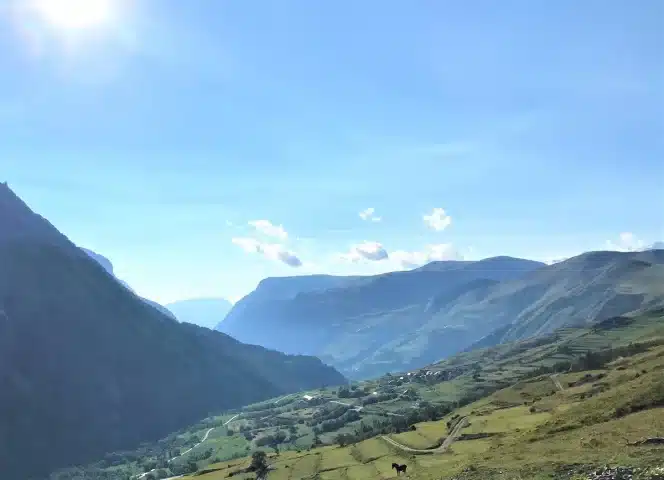
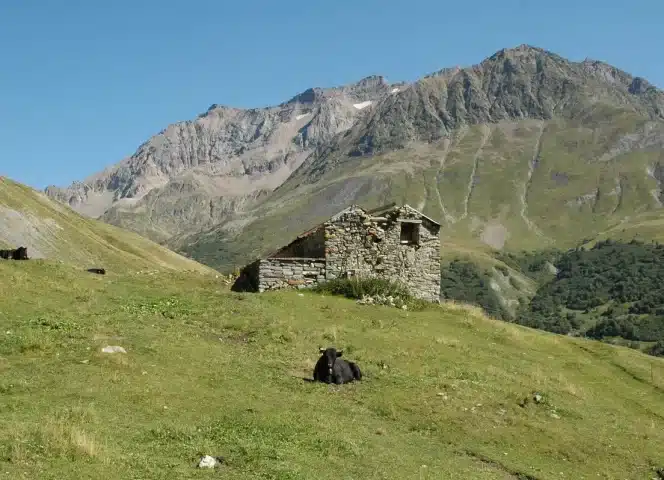
Leur chalet d’estive est situé dans les grandes étendues d’herbe qui dominent la haute vallée de la Romanche. A la belle saison, les dernières lumières dorées de la journée font de ce lieu un îlot de soleil avec une vue à la fois grandiose et apaisante sur la vallée et ses villages, plongés dans l’ombre douce des soirs d’été. Les montagnes recueillent, quant à elles, les tous derniers rayons au teint rose sur leur sommet.
TWO YOUNG FARMERS
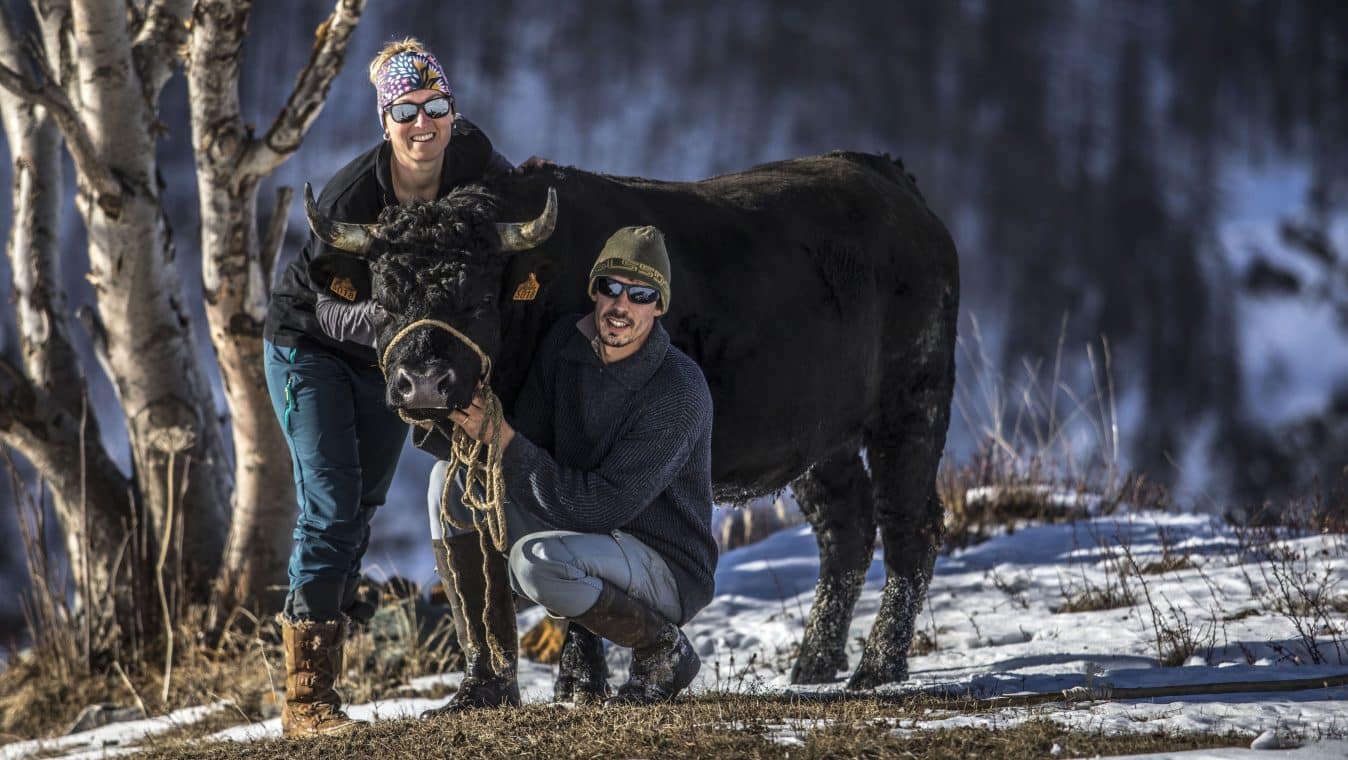
Neither of them grew up on a farm, although Sylvain spent many childhood weekends in his aunts' and uncles' stables in the Monts du Lyonnais. From an early age, he dreamed of becoming a farmer, having his own dairy cows and making cheese.
Dès le lycée agricole, il s’est intéressé aux races ancestrales, aussi appelés races à faible effectif. Avec la venue d’une agriculture plus intensive dans les années 60, plusieurs races ancestrales ont décliné, pour certaines jusqu’à disparaître entièrement. Pour la plupart, ce sont des races rustiques qui sont polyvalentes mais donnant des rendements plus faibles que les vaches qui sont performantes dans un seul domaine, soit la production laitière soit la production de viande.
Cows on small, traditional farms did everything: they produced milk and meat, and were also used for heavy farm chores such as ploughing. Each region had its own breed, like the Ferrandaise from the Puys chain near Clermont Ferrand, or the Béarnaise from Béarn in the Pyrénées Atlantiques.
Sylvain
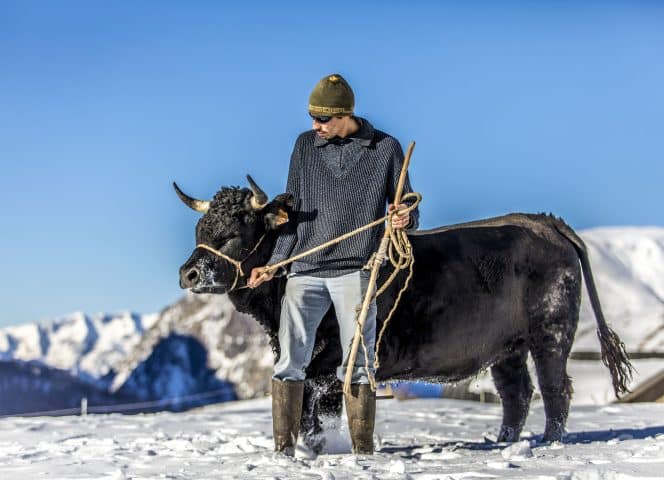
Après un BTS au Pays Basque, Sylvain a retranscrit son projet en reprenant une ferme dans les montagnes du Béarn avec des vaches Béarnaises, qu’il a tenu avec une associée pendant 5 ans. Dans son troupeau actuel, il en garde un souvenir. Quand il a quitté le Béarn, il a revendu son troupeau à une amie qui lui a dit qu’elle lui garderait une génisse née de sa vache préférée. C’est la seule Béarnaise de la ferme du Lautaret et, en honneur de son histoire, elle s’appelle Promise.
Julie
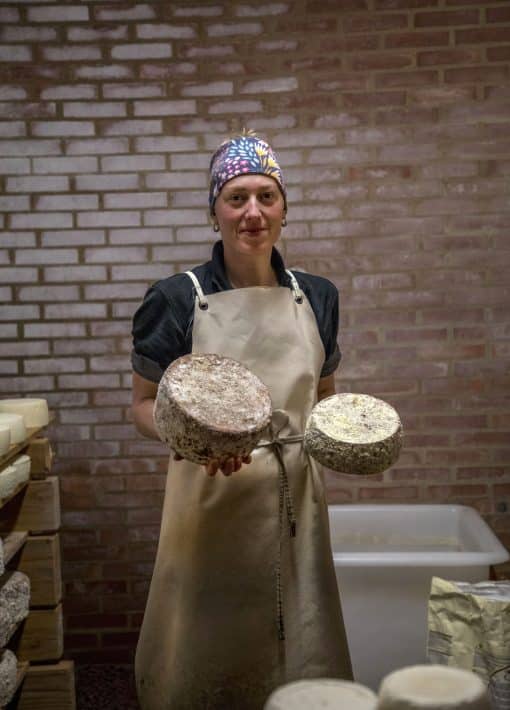
A la fin d’une licence Produits locaux et montagne à Chambéry, elle a fait un stage chez des bergers transhumants qui lui a donné le goût pour ce métier. Elle a travaillé 3 ans comme bergère, puis 2 ans dans un syndicat agricole avant de commencer à chercher une ferme pour s’installer avec Sylvain.
LOOKING FOR A MOUNTAIN FARM

They were also looking for a chalet in alpine pastures where there would still be grass in 30 years' time, even if summers were to become drier. In the Pyrenees they couldn't find one, in Cantal the mountains weren't high enough for their taste, and in Savoie and Haute-Savoie the farms were too expensive for their budget. They had come to spend a vacation in the Hautes-Alpes and had fallen in love with the region, its high mountains, its wild side and its friendly people. Passing the Col du Lautaret made a particularly strong impression on them, with Sylvain recalling the beauty of the mountain pastures, Julie the Meije and the glaciers.
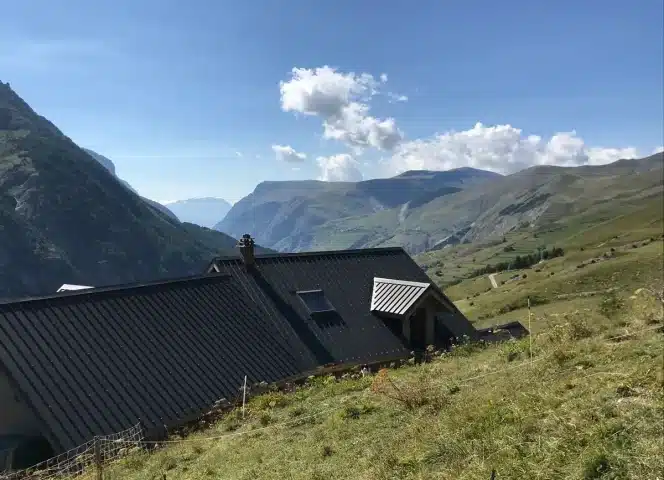

L’emplacement était parfait : des vastes alpages avec vue sur les grands sommets alpins du Parc national des Écrins, des Agneaux à la Meije.
Sylvain et Julie ont aussi aimé ce qui avait déjà été mis en place par les anciens propriétaires, Fred et Claudine. Tout correspondait à leurs valeurs, que ce soit la fabrication de fromages ou le troupeau de vaches Hérens. Julie et Sylvain se sont installés à la ferme de leurs rêves sous le Lautaret, le 1er avril 2019 et leur fils est né le 17 mai.
FIRENZE - MISS FRANCE DES HÉRENS
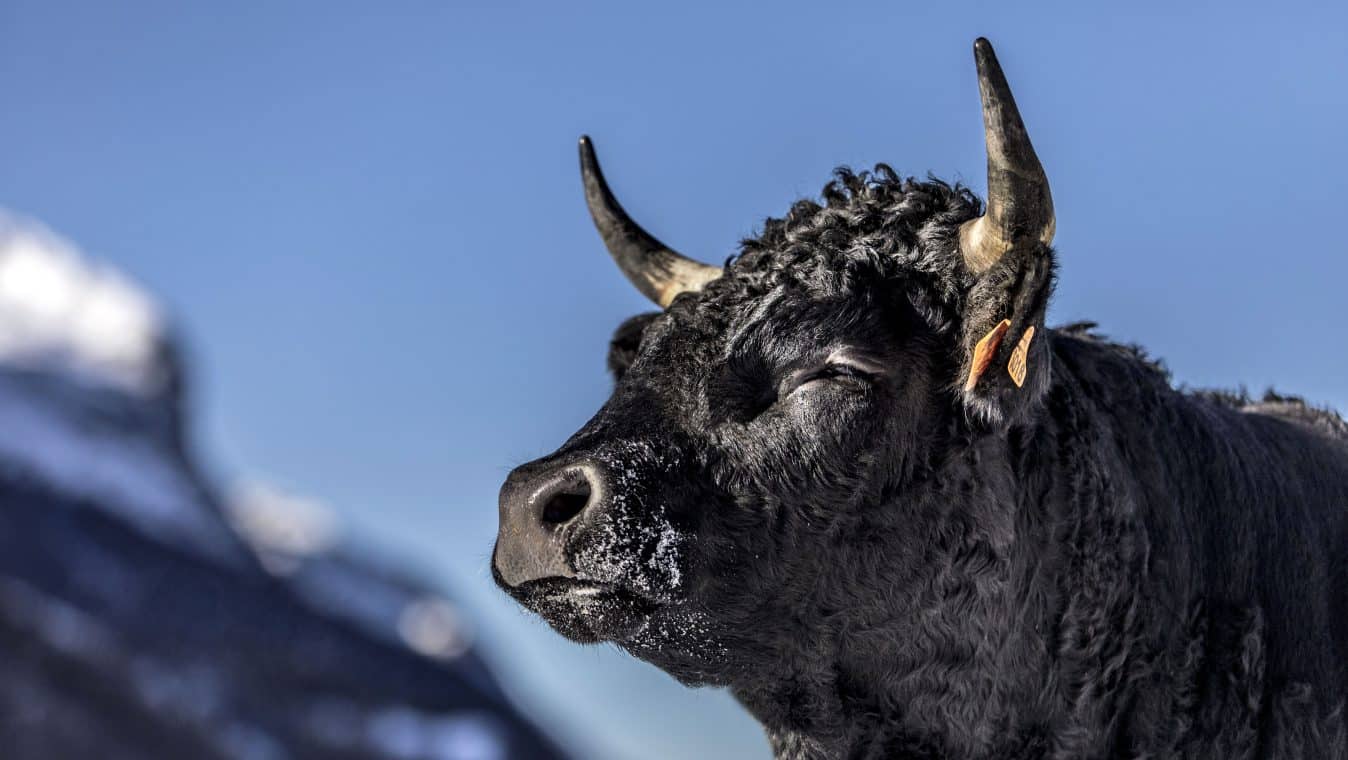
En Italie et en Suisse, il y a aujourd’hui environ 15 000 vaches Hérens. En France, jusqu’à récemment, elle comptait parmi les races ancestrales à faible effectif. Dans la France entière, les vaches Hérens sont autour de 1000.
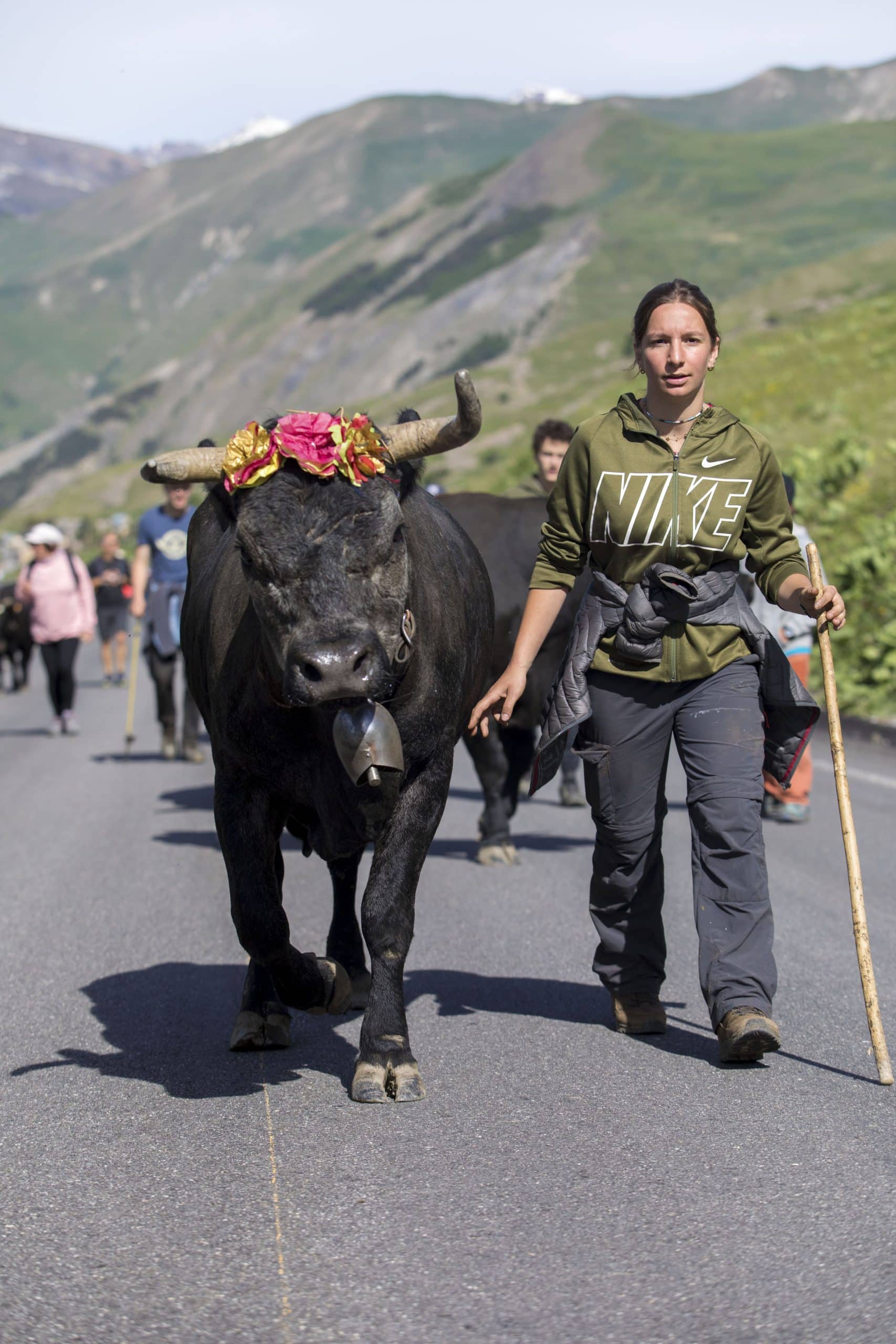
A la ferme du Lautaret, en comptant petits et grands, ils ont une trentaine d’Hérens. Venise, leur meilleure laitière, a accouché de Firenze, la 1000e vache Hérens de France.

At the end of February 2022, she'll take up residence at the Portes de Versailles in Paris for the duration of the Salon de l'Agriculture, in the company of her breeders. Julie and Sylvain are delighted that this breed is being showcased for its qualities, even more so if it can contribute to an increase in the number of Hérens breeders in France.
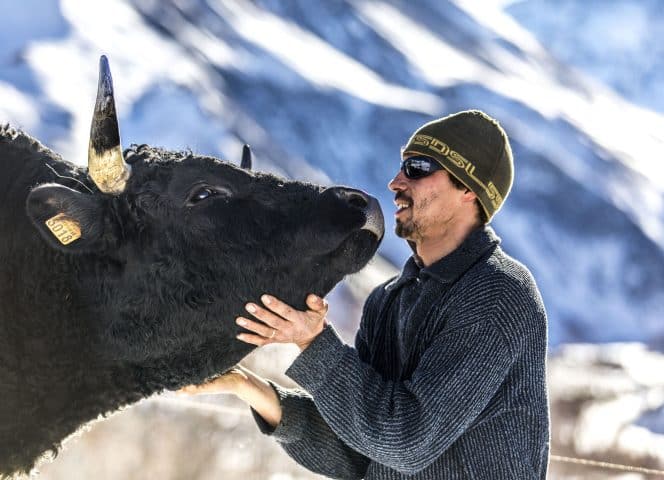
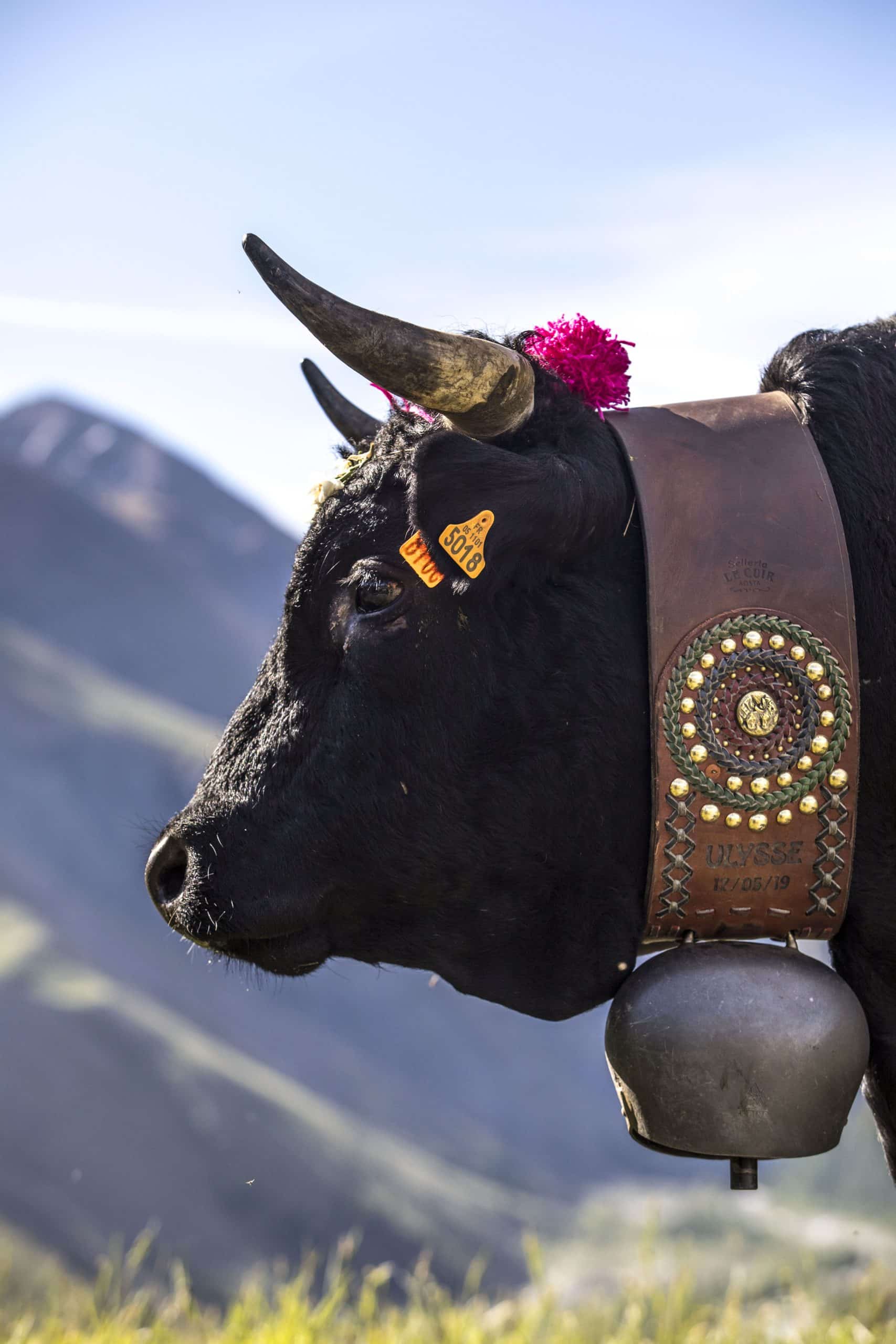
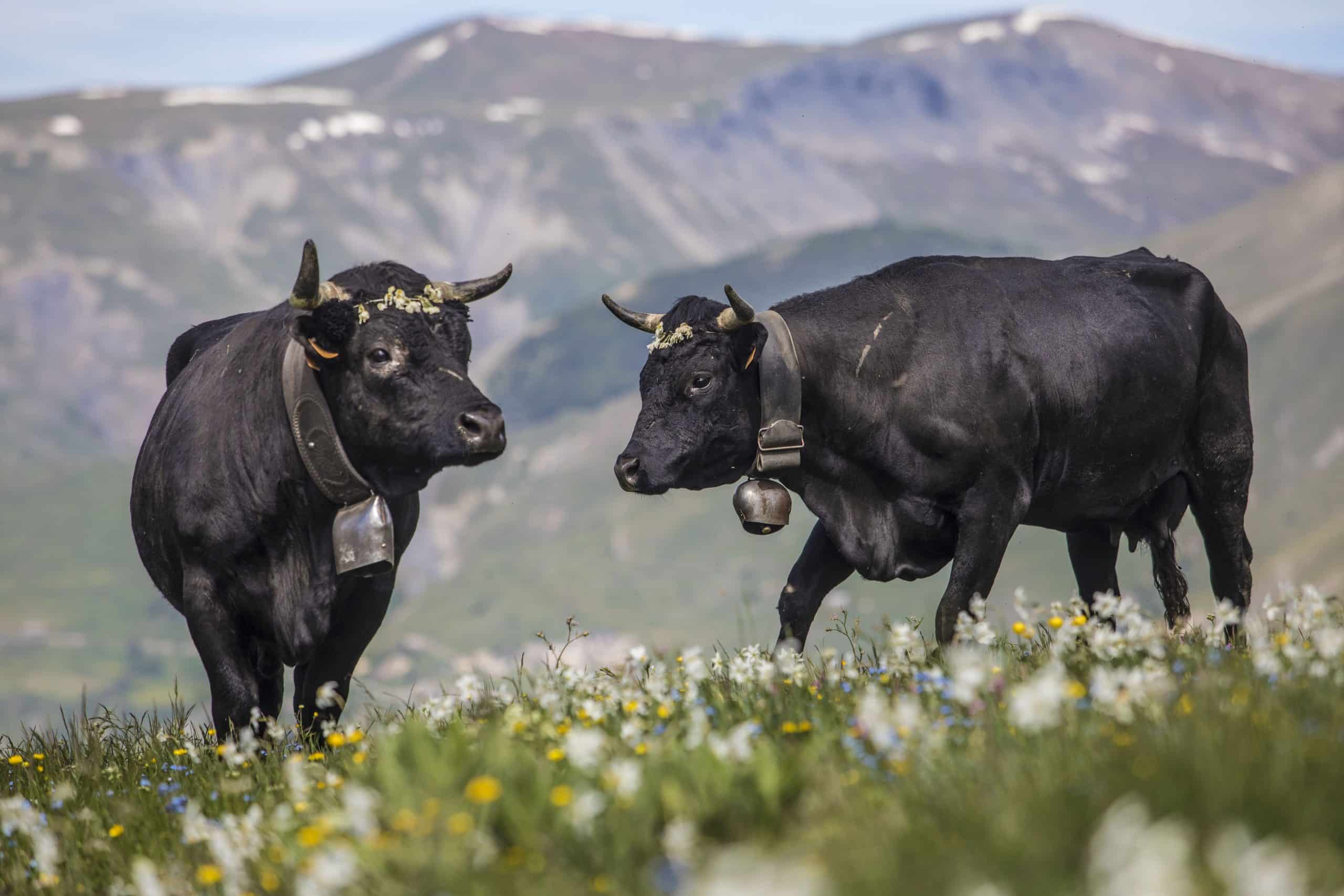
These cows have a fusional relationship with humans, they seek contact and each one's personality emerges naturally. Some of them make it clear that they're jealous, for example when you brush the one next to them. For Sylvain and Julie, this special relationship is one of the great pleasures of their work.
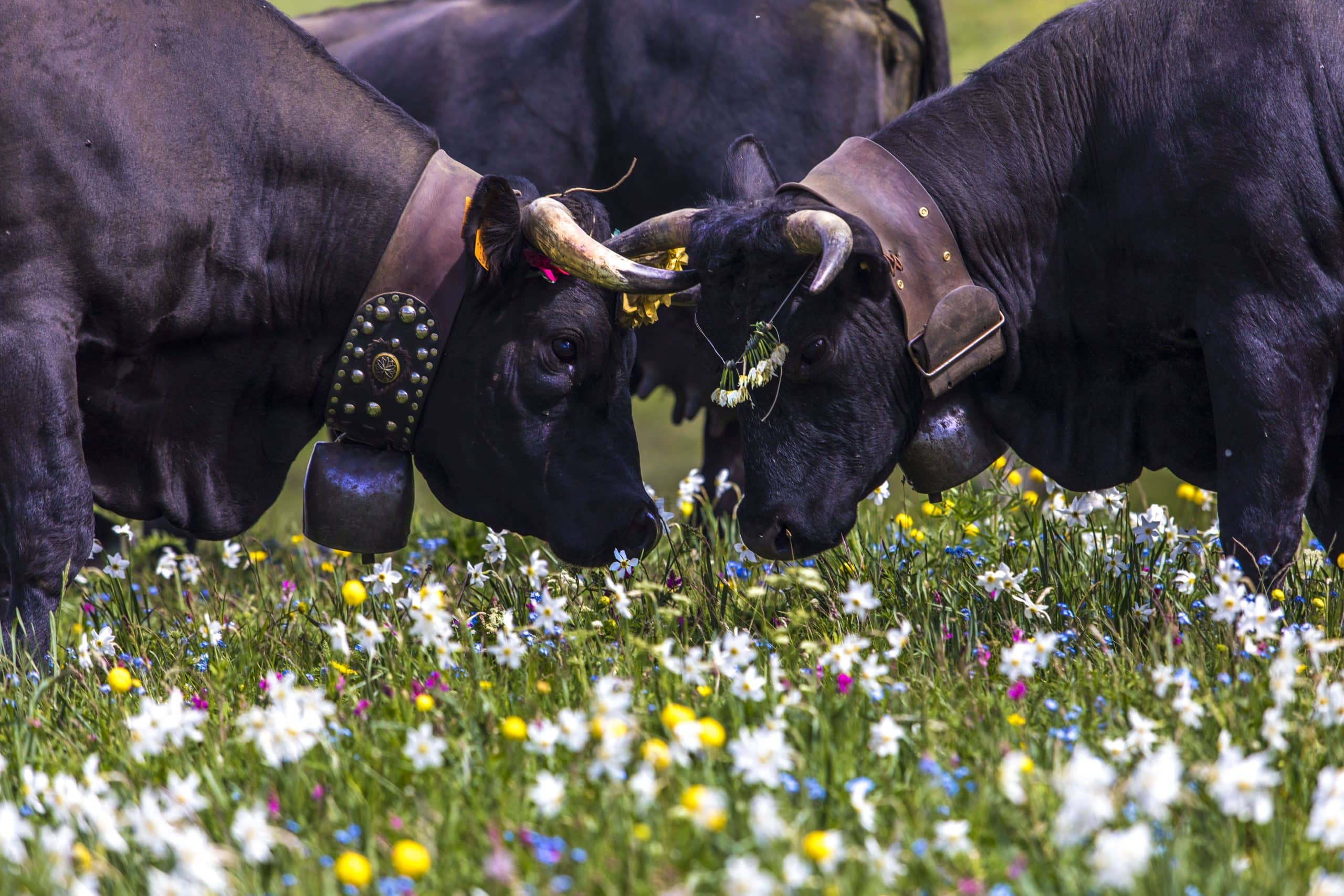
Fighting cows Queen of hearts
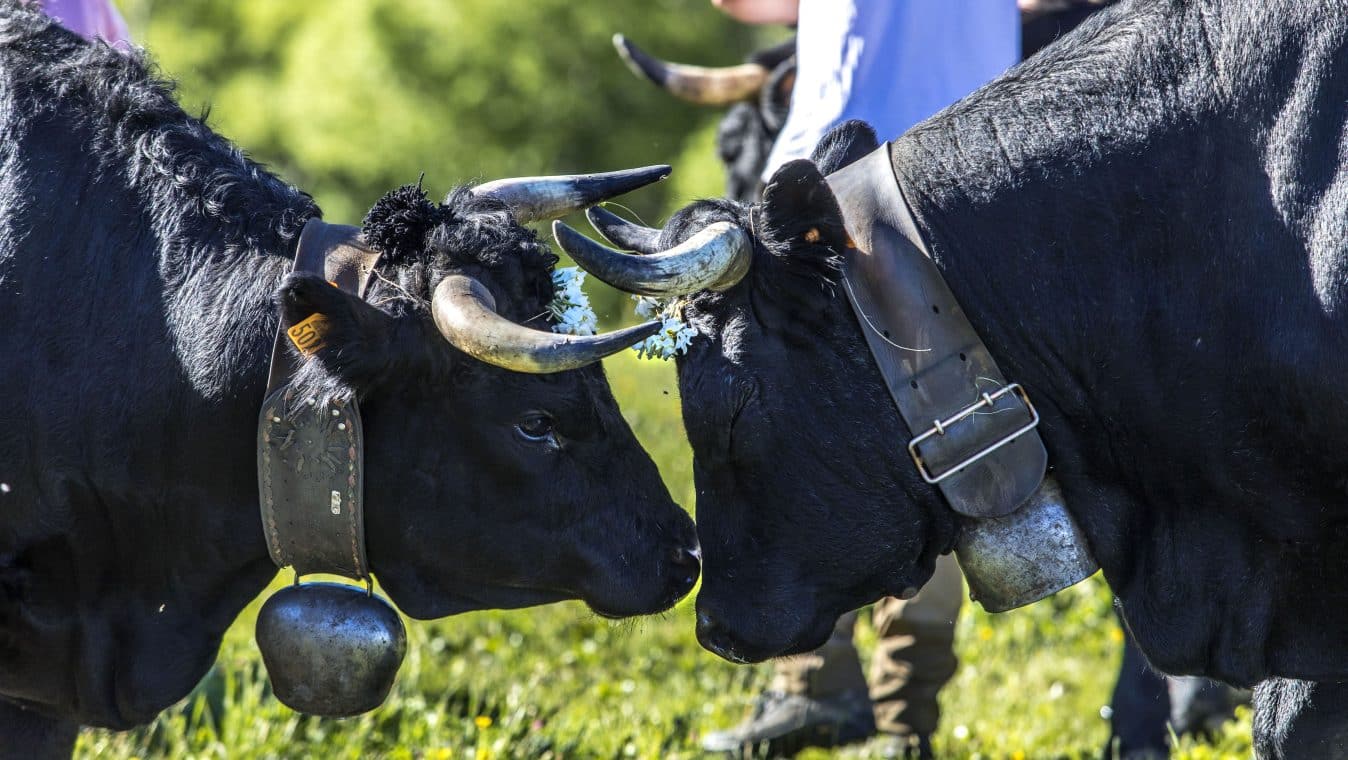
Once the queen has been chosen, the fighting stops and they all follow the leader.
But when they meet a stranger, instinct takes over. Their need to determine who's the ringleader is stronger than in other breeds.
This instinct, combined with their proximity to man, makes them very useful. Sometimes, transhumant breeders include Hérens in their herds to make it easier to drive them to the mountain pastures. They can also be used to find other cows lost in the mountains.
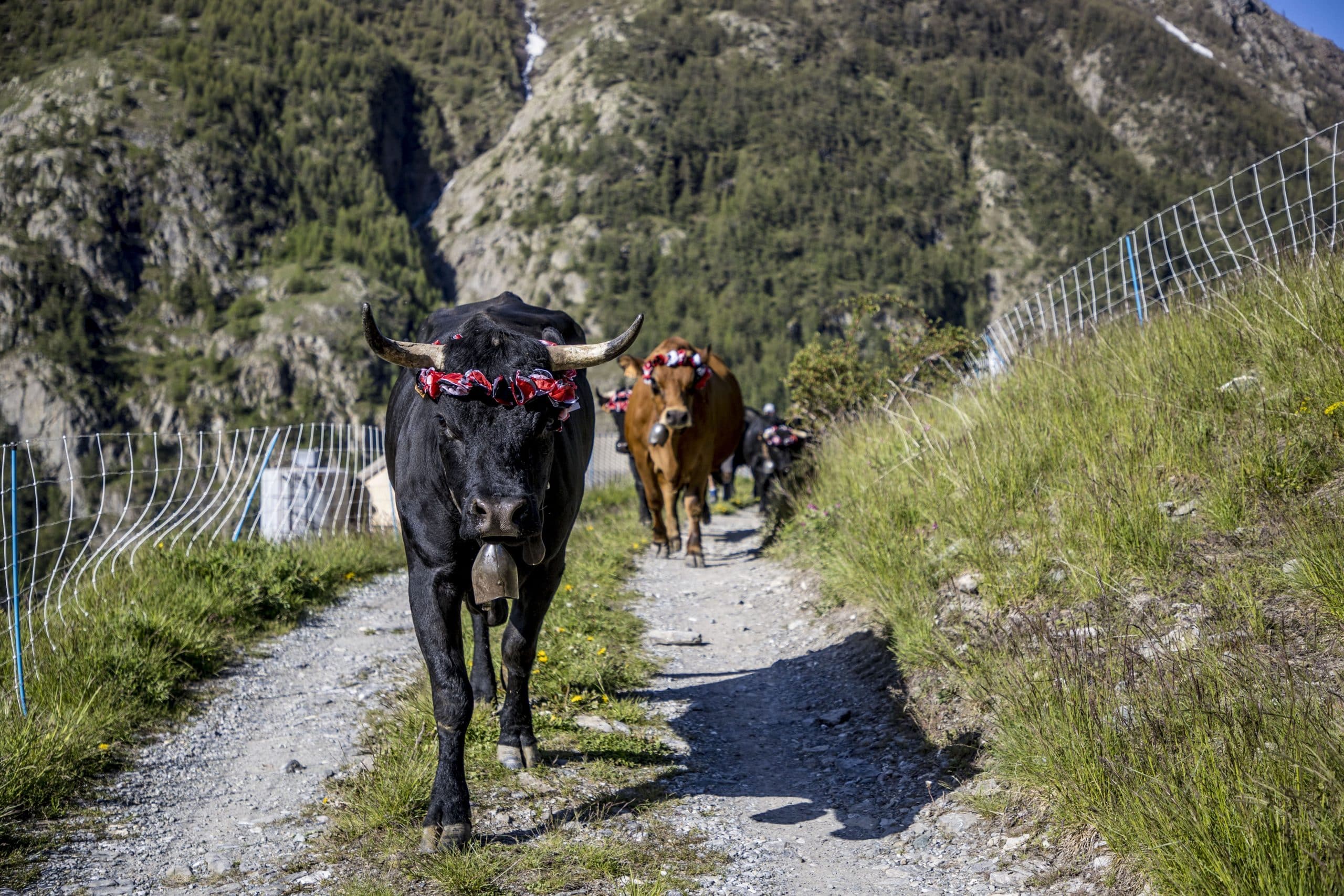
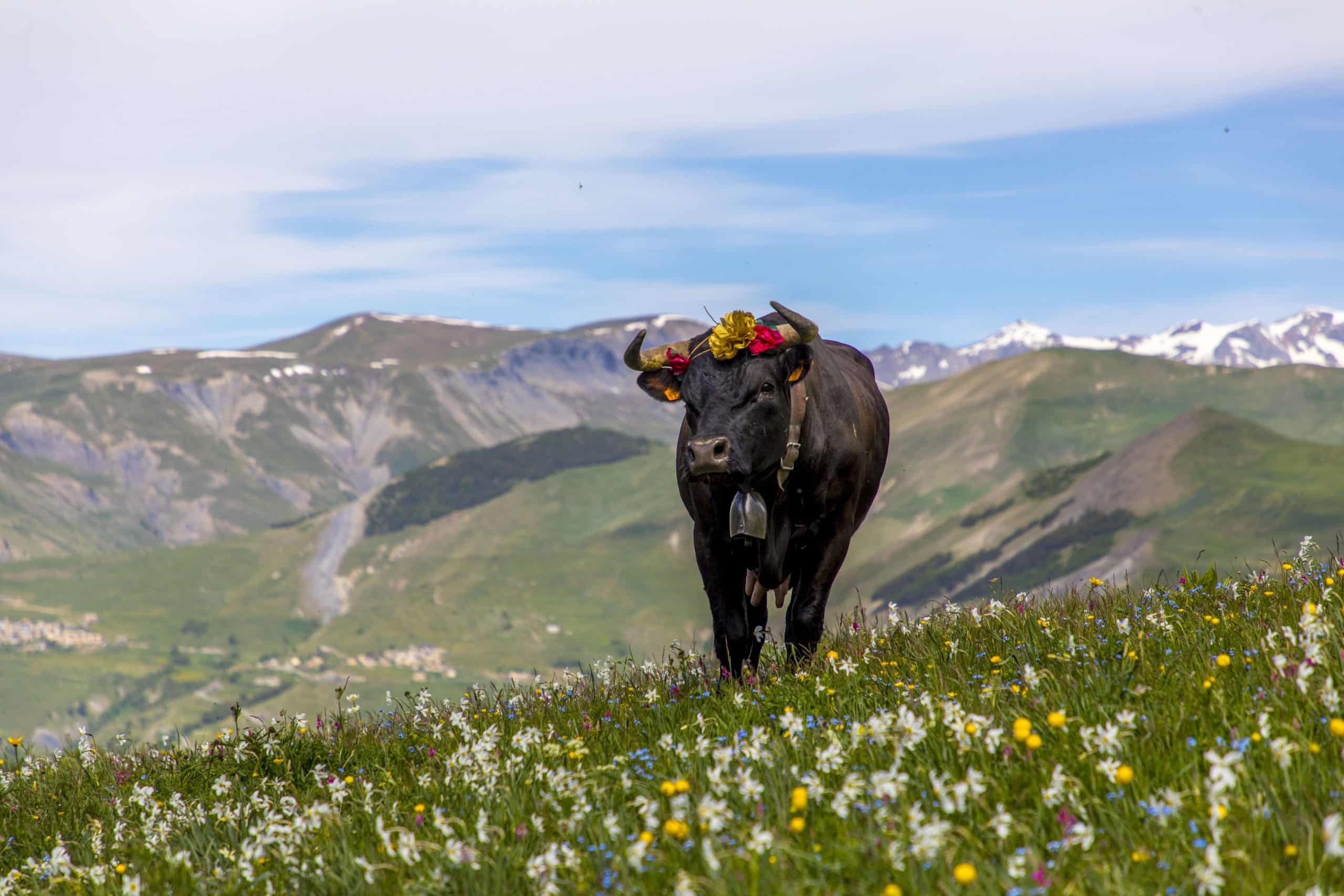
Every breed of cow has a connection with its territory. The Hérens is a very high-mountain cow. She is sure-footed and knows how to find flowers in seemingly inaccessible places, sometimes up to 2800 - 3000 m altitude. They are very hardy and resistant, and require very little care.
WORKING ON THE FARM


Des journées bien remplies
- 6h30 l’Hiver : C’est le moment de la traite et de la toilette du matin.
En été ce sera 6h00, car durant la saison estivale il faut aller chercher les vaches dans les pâturages. - 8h00 : Julie fait les fromages avec la traite du soir, refroidie la veille, et celle du matin.
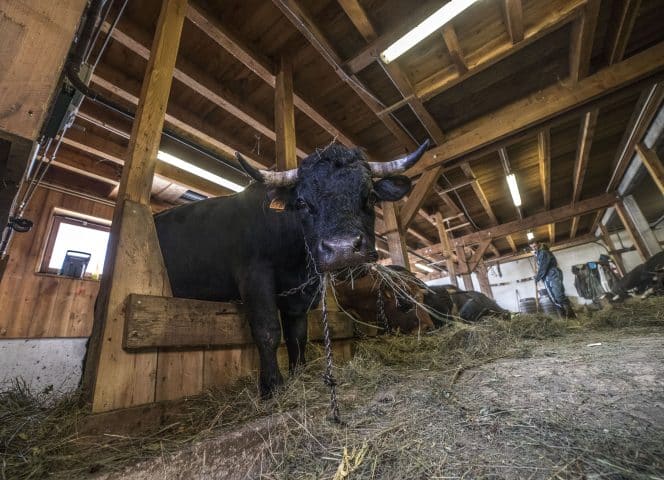
- The rest of the morning is taken up with caring for the animals, cleaning the cowshed, distributing hay and grain, and working in the maturing cellar.
- Afternoons: time for deliveries and administrative tasks.
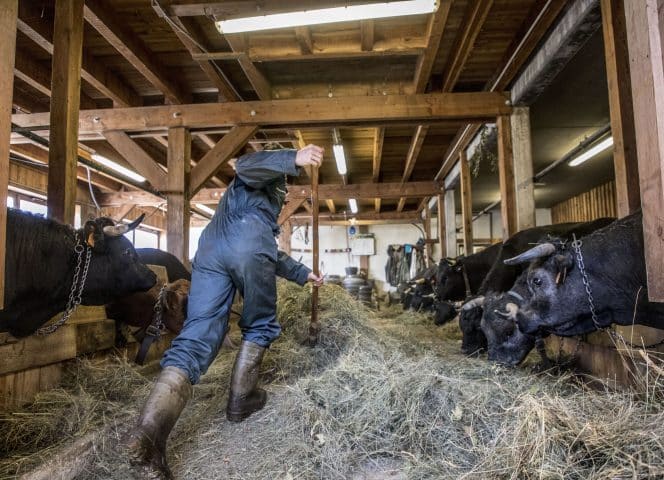
To be able to work well even on steep slopes, Sylvain uses a motor mower and an old-fashioned rake to reach every nook and cranny and maintain the alpine pastures.
Normally, they are self-sufficient in hay, except when voles ravage the alpine pastures. This winter, they had to buy a fifth of their winter provisions.
The cows are put out to grass around May 15, and around November1, at the first sign of bad weather, they return to the barn, because if the cows stay out in bad weather, even during the summer, milk production drops.
GOOD MILK MAKES GOOD CHEESE
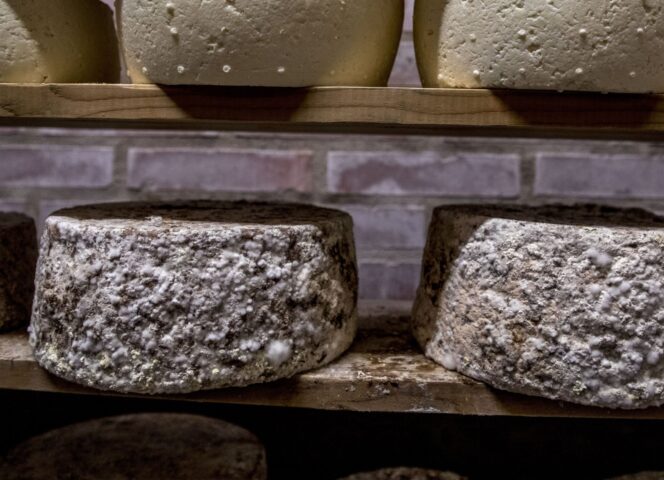
A la ferme du Lautaret, tout comme leurs prédécesseurs, ils fabriquent des fromages typiques des Alpes : des tommes, des bleus, des fromages type raclette et gruyère ainsi que des faisselles. Ils ont rajouté des fromages frais et du fromage blanc battu au répertoire. Les deux tiennent à fabriquer les fromages qui correspondent au territoire et aux vaches.
To make a good cheese, you obviously need know-how, but you also need rich milk and good fodder. In this way, the flavor of the terroir is present in the cheese. The biodiversity of the mountain pastures determines the quality of the grazing, which is essential for obtaining quality milk, both in terms of flavor and nutrition. In long-keeping cheeses such as Gruyère, different notes develop depending on whether the cheese was made in summer or winter, as the cows are not fed the same diet.
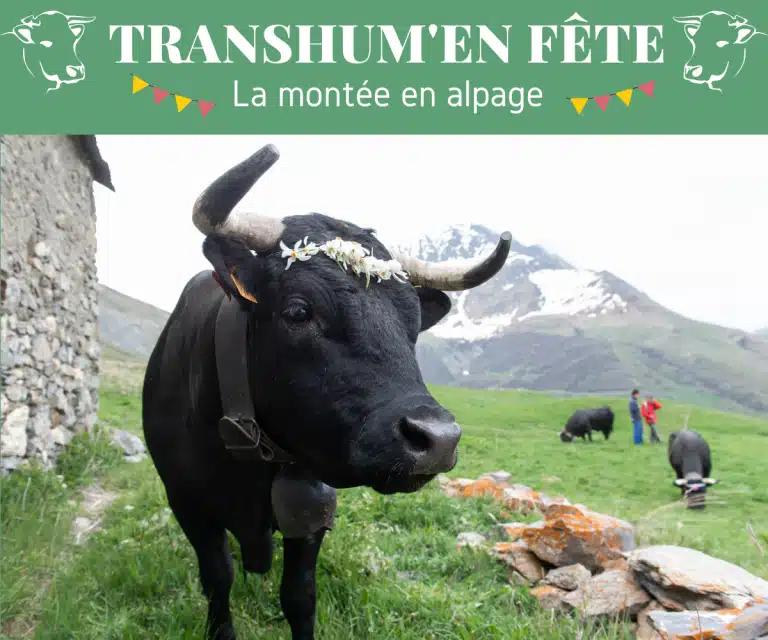
TRANSHUME'EN FÊTE MOUNTAIN PASTURE FESTIVAL WITH BATTLE OF THE QUEENS

LES PRODUCTEURS ET ARTISANS DES HAUTES VALLÉES
You might also like

A day with the PGHM, focusing on mountain safety
See more
A peaceful winter for the black grouse in its igloo

Pierre-Louis tells us about his mountain
See more
My life as a shepherd in the High Valleys
See more