


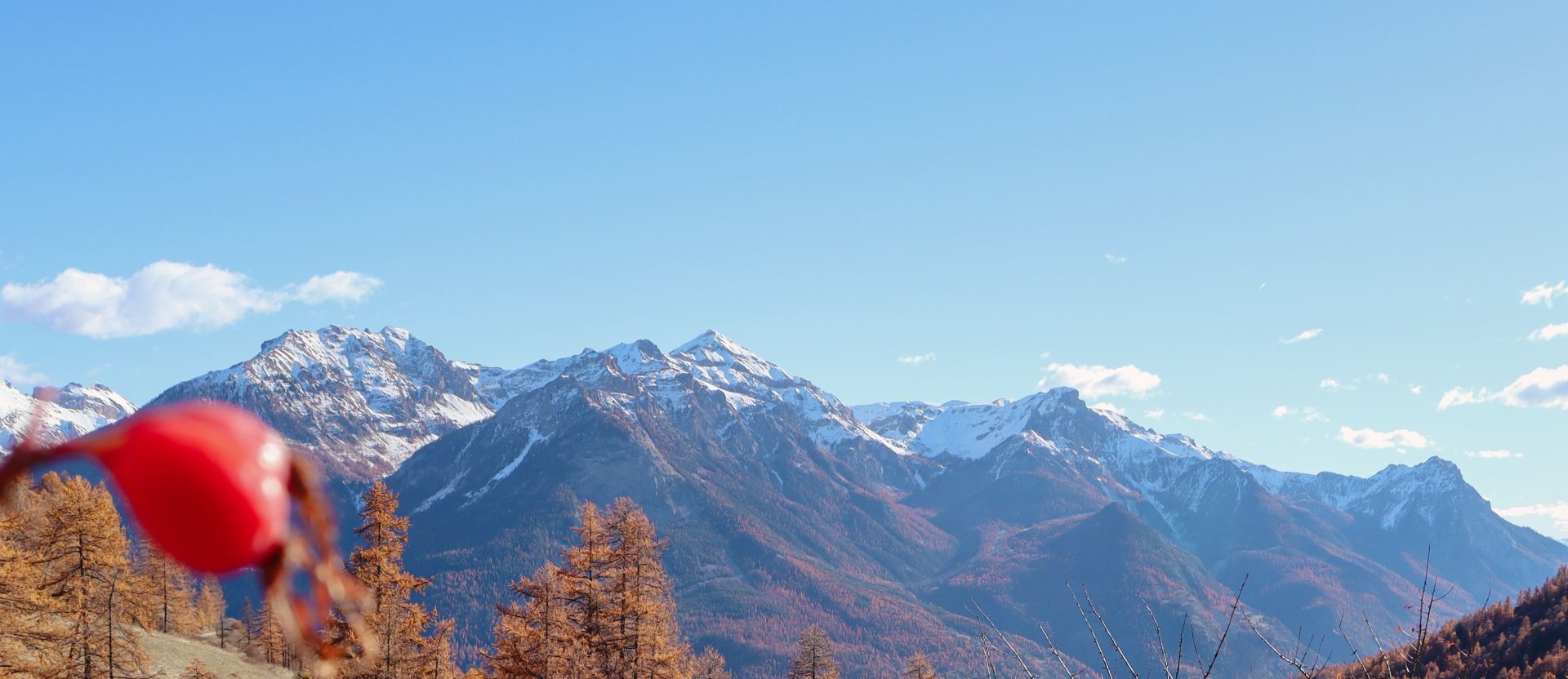
Puy-Saint-André
Perched on the right bank of the Durance, it dominates the valley.
The village of Puy-Saint-André is a haven of peace with a wealth of geological features, and has many stories to tell.
Puy-Saint-André village of character
Puy-Saint-André invites you to explore and contemplate its exceptional landscapes. You'll find tree trunks that are 300 million years old, lava intrusions in the coal and numerous fossils. And don't forget the Maison de la Géologie, where you can learn all about the formation of the Alps.
Puy-Saint-André's religious heritage, with its many chapels well worth a visit, including the Sainte Lucie chapel with its 16th-century mural paintings!
Puy-Saint-André also invites you to discover the Partias reserve, a treasure trove of biodiversity.
3 good reasons to come to Puy-Saint-André
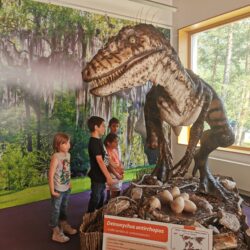
Geology House
Dive into the history of the mountain! The House of Geology and Geopark is a geological interpretation center, inaugurated in 2016. Through three distinct spaces, it presents the creation of the Alps and the geological wealth of the Cottian Alps geopark in an entertaining way.
Discover the geological sites
Puy-Saint-André art trail
An art trail featuring several works of art blending with nature. A place to discover with the whole family.
Puy-Saint-André art trail
The Partias Reserve
This small piece of land in the commune of Puy-Saint-André is a veritable refuge for Alpine flora and fauna. Listed as a regional nature reserve and a classified site in the Pelvoux Massif, the Partias nature reserve is a protected wilderness paradise that deserves respect.
Reserve des PartiasPuy-Saint-André Its history
Overlooking the right bank of the Durance, the name Puy is inked on four villages: Puy-Saint-Pierre, Puy Chalvin, Puy Richard and Puy-Saint-André.
The Romans left a trace of their arrival, with one of their roads passing through the Puys before reaching Prelles below. The name they gave to these heights is also a trace of their passage: "Universitas Podorum" meaning "all the Puys".
The area's geological history is also well marked, and it is through the relief and stones that we tell the story of the Combarine glacier, descending from the summit of the same name, and the lateral moraines where the first men built their structures. It's also the presence of neglected areas, proof of the past of a centuries-old agro-pastoral activity, difficult, not very fertile and with a very low yield.
Formerly called Puy-Brutinel, the village acquired municipal autonomy and changed its name in 1456. From the 15th century onwards , education took on an important role, with the arrival of schoolmasters to teach the village's children, but also to take on other responsibilities.

The history of Puy-Saint-André and its inhabitants is shaped by the presence of coal mining operations such as the "Combarine mine", the largest mine in the Briançonnais region, and the difficulties that followed their closure. The tragic fire of 1927 destroyed a large part of the village and led to the migration of many inhabitants to the surrounding towns.
Find out more about the history of the village of Puy-Saint-André

Hameau des Combes
A place steeped in history and tradition, and marked by land disputes in the past, Les Combes has mainly been used as grazing land for cattle. Cottages or "forests" provided temporary shelter for shepherds and their livestock.

Chapelle Sainte-Lucie
La chapelle Sainte-Lucie date du XVIe siècle. Elle est remarquable pour ses fresques qui ornent sa façade ainsi que la voûte à l’intérieur

Hamlet of Puy Chalvin
With its remarkably well-preserved traditional architecture, the hamlet of Puy Chalvin has a rich history. Historically an agricultural and pastoral center, the inhabitants took advantage of the pastures during the summer season.

Learn more
Find out moreOur selection favorites


You may also like also

My family week at Izoard
Find out more
I don't ski, so I...
Find out more