


Reserve des Partias
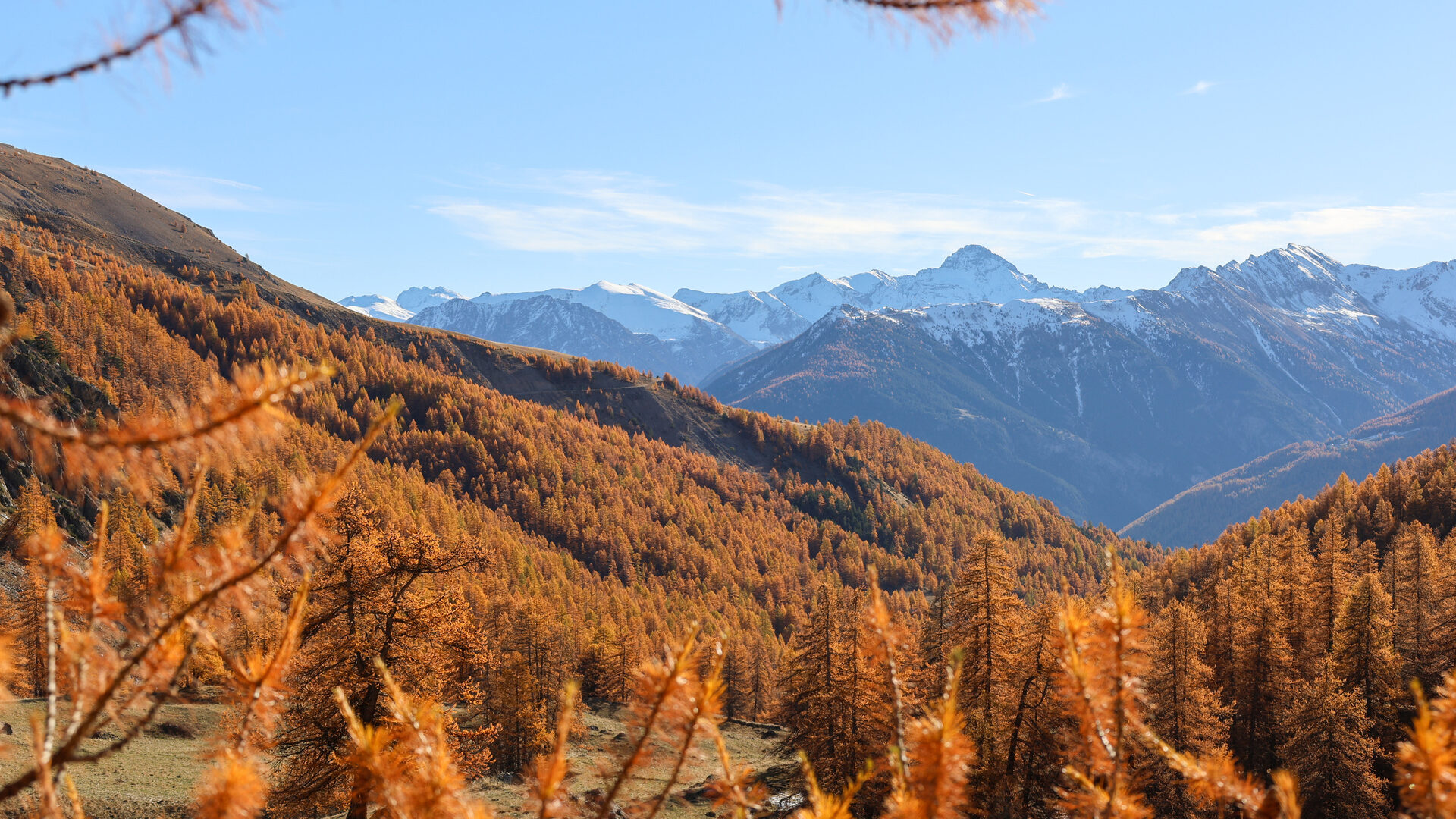
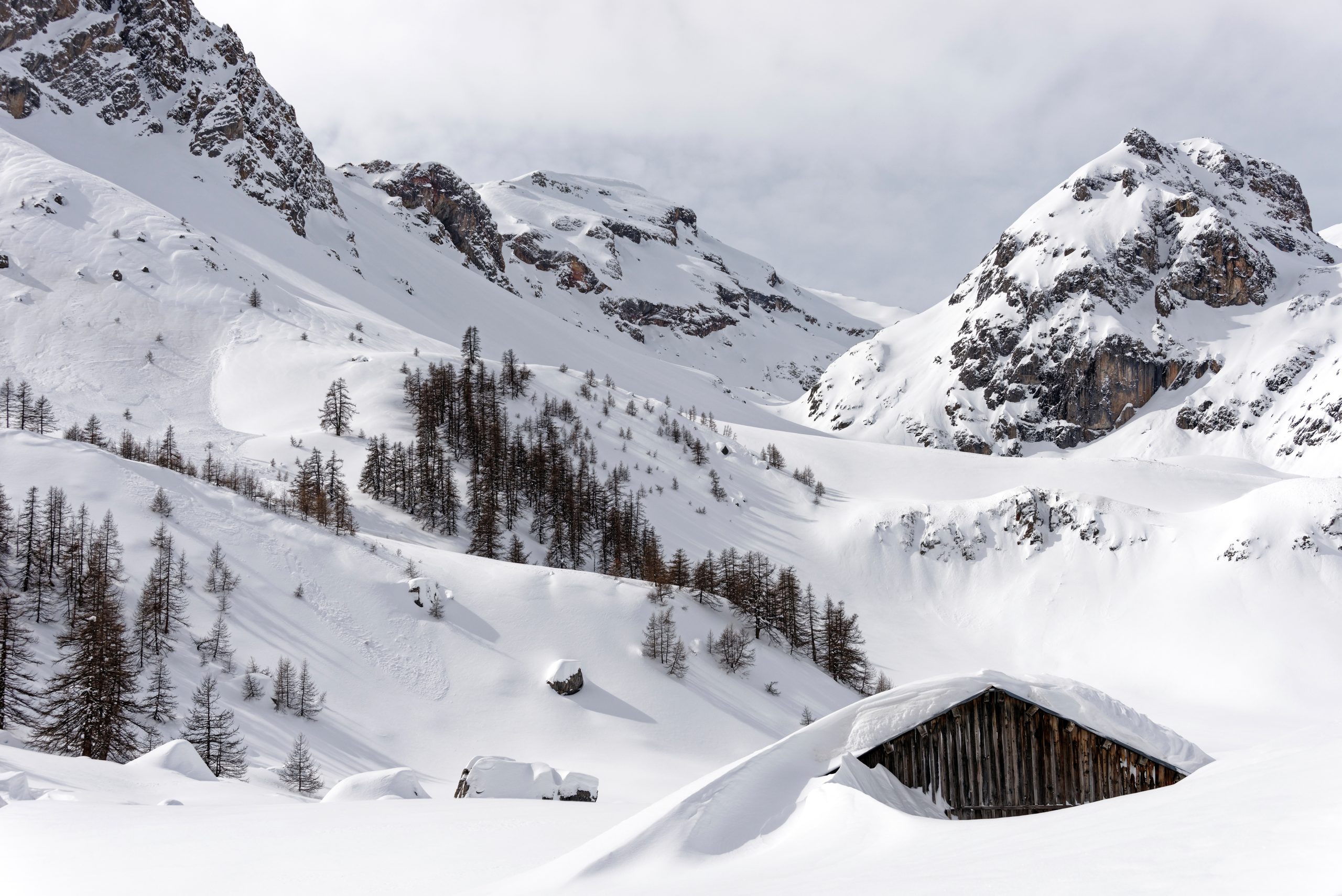
This small patch of land in the municipality of Puy-Saint-André is a true refuge for the flora and fauna of the Alps. Classified as a regional nature reserve and a protected site in the Pelvoux Massif, the Partias Nature Reserve is a preserved wilderness paradise that must be respected.
the partias nature reserve, a refuge for the lpo
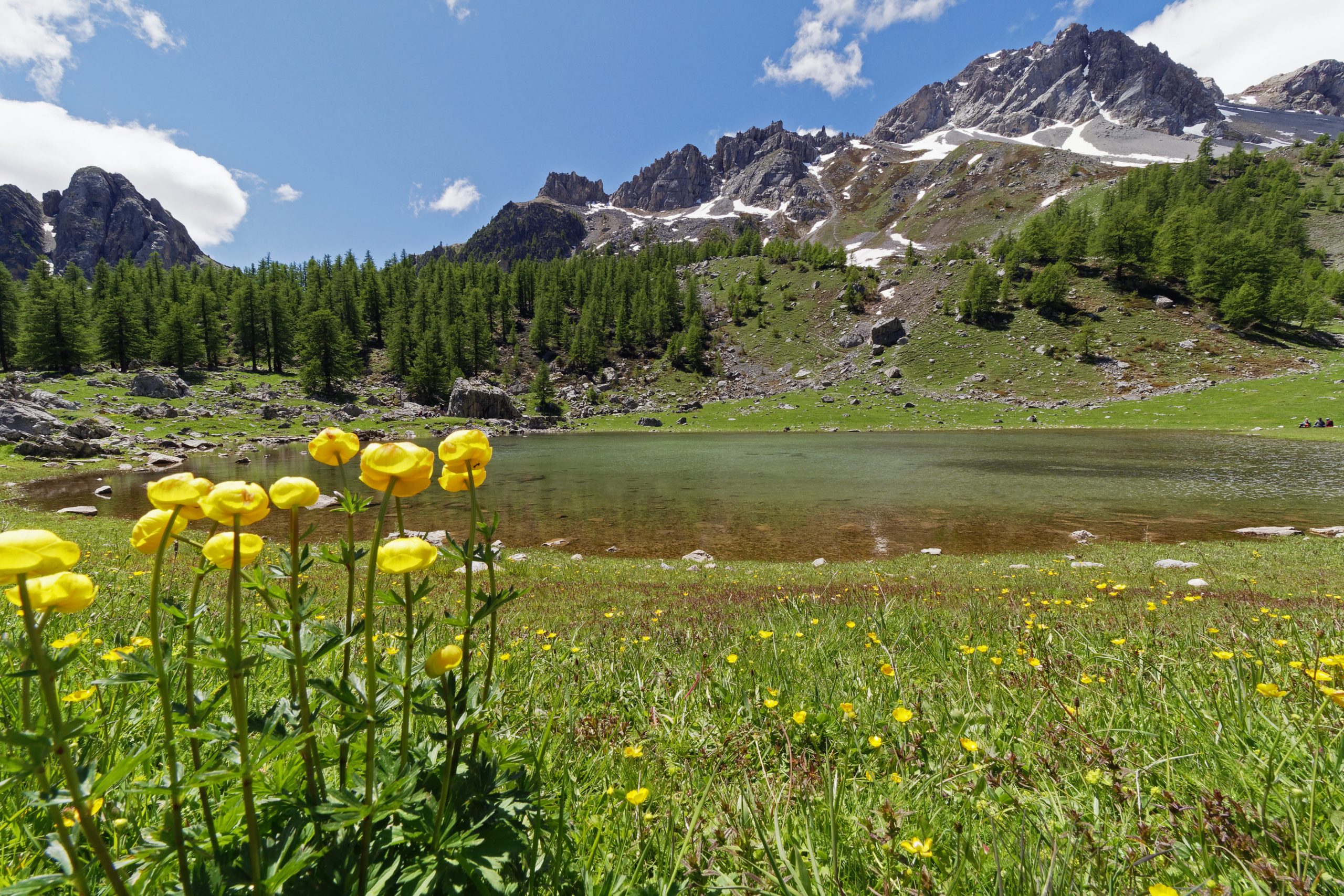
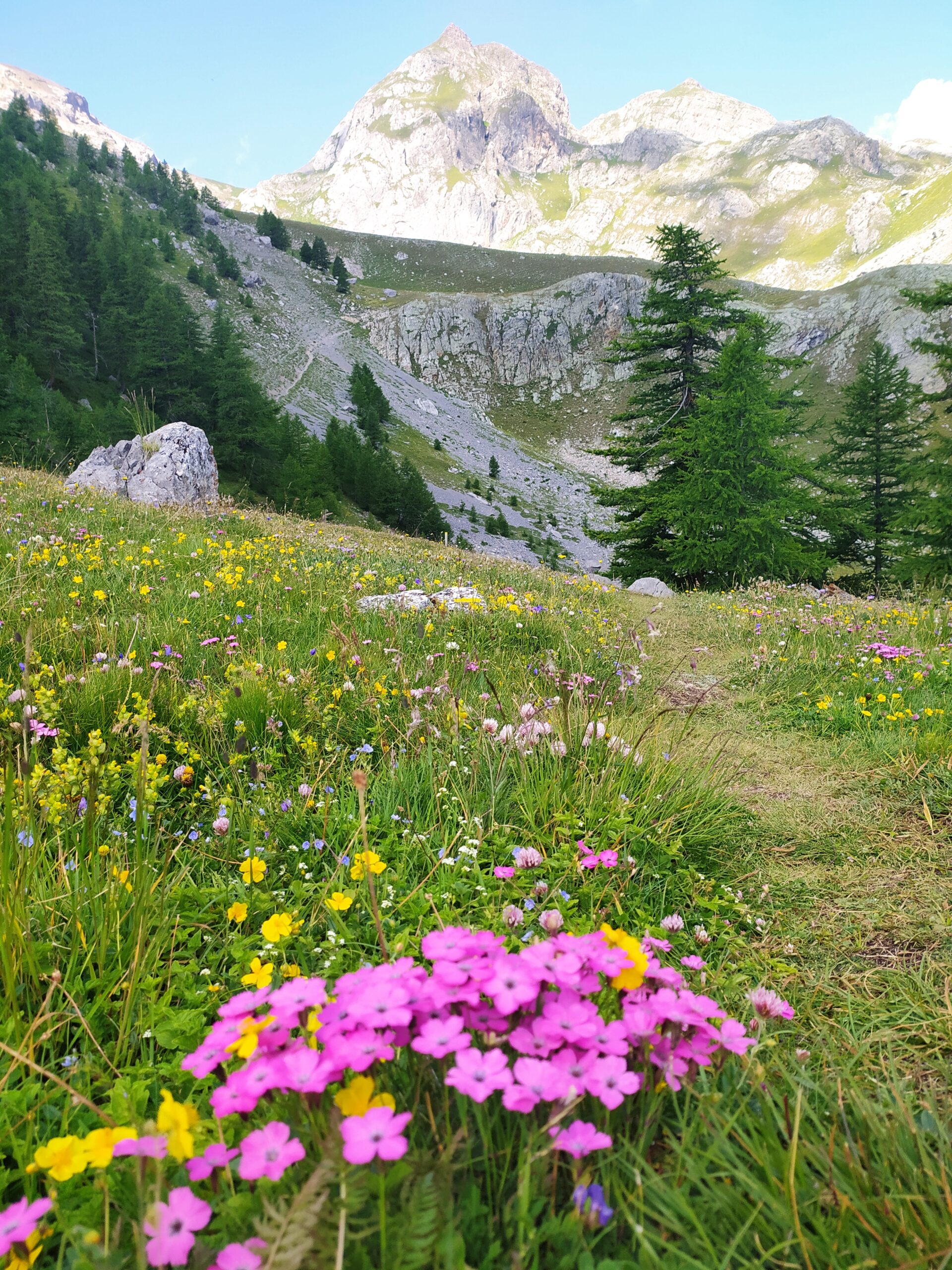
Comprising a wide variety of environments (rocks, lakes, wetlands, mixed forests, etc.) with great geological diversity, this reserve is the ideal place for many species to thrive. It is also home to a large number of insect species, protected and/or endangered plant species, and more.
To preserve this reserve, the inhabitants of the territory have mobilized to prevent certain developments and thus respect the richness of this valley.
theregional nature reserve of Partias
This reserve, near Briançon, was created thanks to a citizen initiative, the Association des amis des Combes (Friends of the Combes Association), which aimed to prevent development in the valley in order to protect biodiversity.
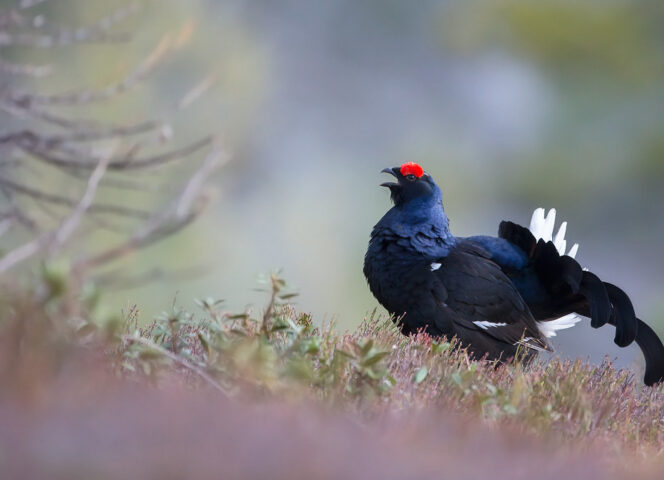
The LPO (League for the Protection of Birds) now manages the reserve in agreement with local residents and stakeholders. More than 104 species of birds and 524 species of plants live in the reserve. It is an important refuge for birdlife, particularly black grouse and rock ptarmigan.
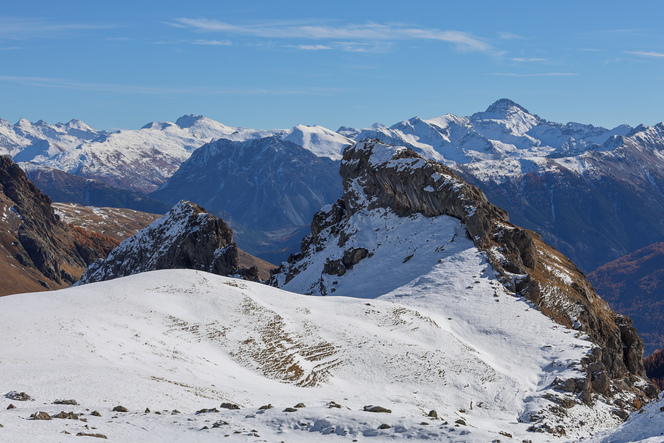
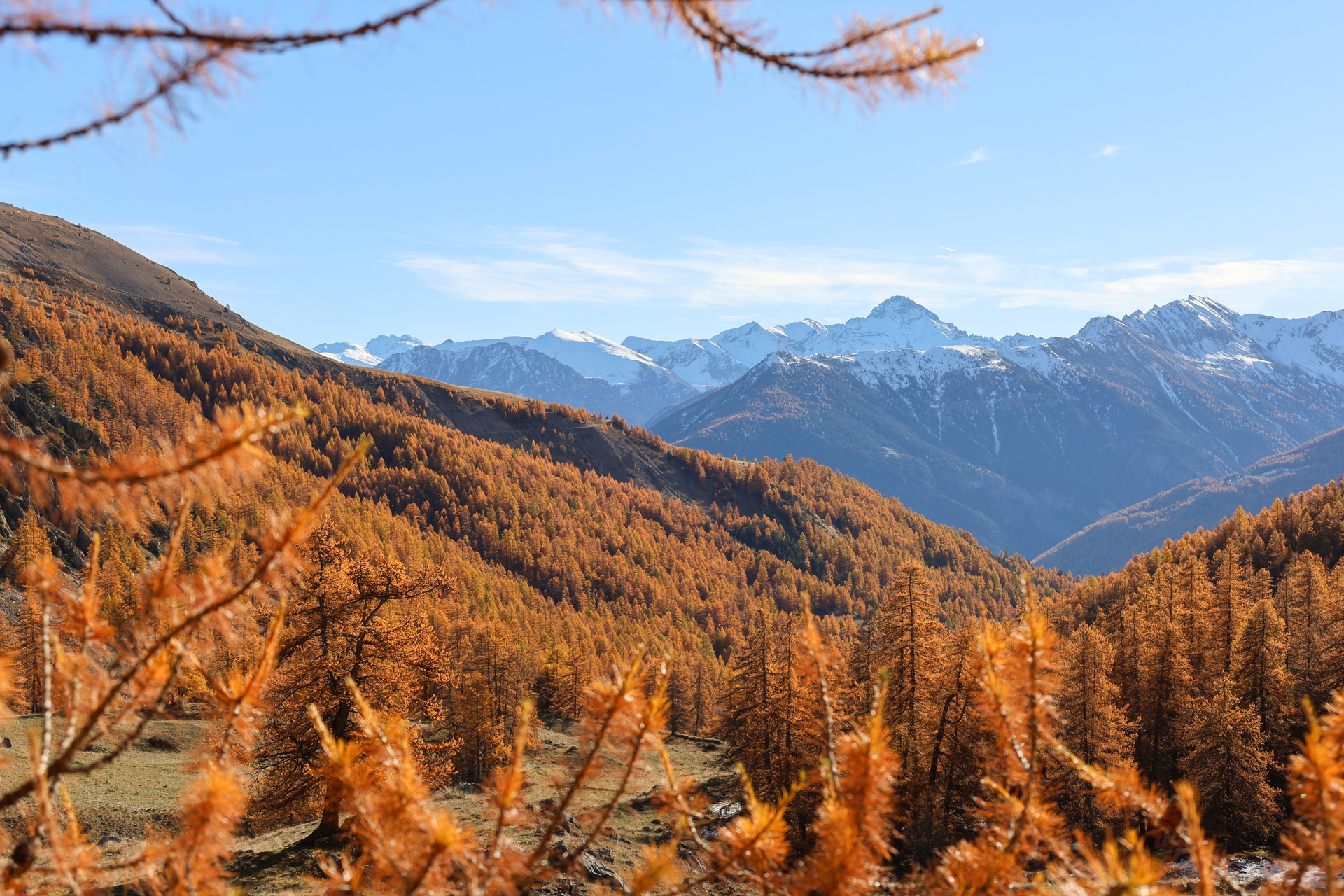
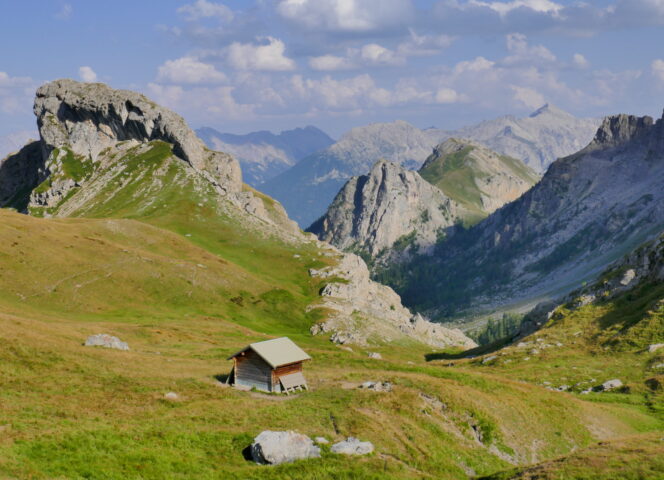
It is also a place with a surprising variety of alpine landscapes, including rocks, lakes, wetlands, larch forests, and alpine moors. There are many hiking trails starting from Puy Chalvin . However, the Partias Nature Reserve is a protected, preserved, and regulated area.
In order to help preserve this protected area, it is important to comply with the regulations in place. These regulations enable human activities (hiking, mountain biking, pastoralism, etc.) to be reconciled with the preservation of biodiversity.

Discover the Partias Nature Reserve
the most to get organized
How do I get there?
From Briançon, head towards Puy-Saint-André on the D35 to reach the hamlet of Puy Chalvin.

Where to park?
Park in the main parking lot at Puy Chalvin, located on a bend in the road. Access to the reserve is then on foot (approximately 1 hour's walk).

For whom?
Whether you are a scientist or nature enthusiast interested in biodiversity, this reserve awaits you and is full of treasures to preserve.
Regulations in the Partias Reserve
Stay on marked trails
Nature will be delighted and you will avoid a fine. Motorized vehicles are prohibited.
Keep your dog on a leash
Your dogs are welcome, but they must be kept on a leash or you will be fined. Dogs are identified as predators by wild animals, and even the slightest disturbance can compromise their future.
Bivouac
If you are more than 30 minutes' walk from the road, you can pitch your tent between sunset and sunrise. For camping, keep going.

No picking allowed
Picking and gathering wild products is strictly prohibited. Picking a plant can cause it to disappear.

No fires
Fires are prohibited outside the designated fire pits at the entrance to the reserve.

Take your trash with you
Leave no trace of your visit in the reserve. Trash takes up little space in your pockets or backpack, and you will be helping to preserve the site.

Discretion
Please be discreet when visiting the reserve; its inhabitants will be grateful.

Non-compliance with regulations
If you fail to comply with the regulations, you may be subject to a fine.
throughout theseasons at the Partias Reserve
Protection of wildlife
Anatural heritage to be preserved
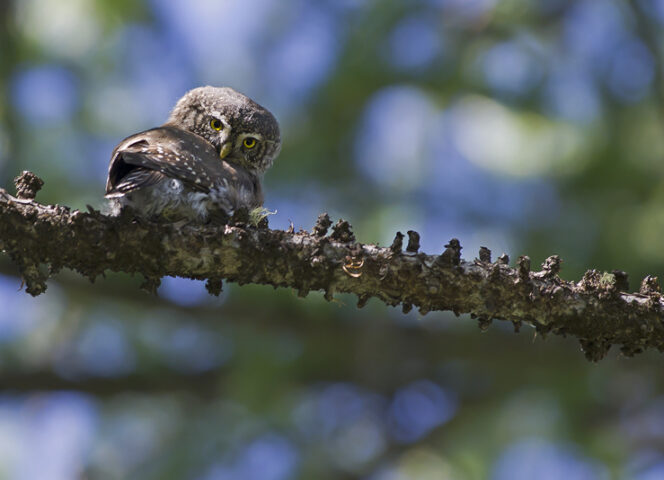
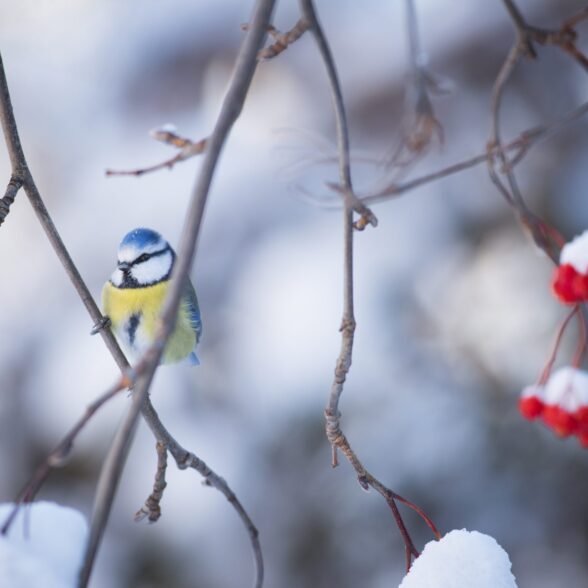
Among the inhabitants of this reserve are the black grouse, the rock ptarmigan, the rock partridge, and the house martin. The western green lizard is also among the species recorded, as are the Apollo butterfly and the Succise's fritillary. Pastoralism is making a comeback in this highly protected area . Help preserve this heritage by respecting it during your visit!
Focus on theleague for the protection of birds
It has more than 57,000 members, including 8,000 active volunteers and 400 employees. The association is organized as a network of local associations in 83 departments.
The LPO works to protect species, preserve habitats, and educate and raise awareness about the environment. Among its missions, the LPO is involved in implementing national plans to protect endangered birds, coordinating European conservation programs, and managing the reintroduction of species. It also manages the main national nature reserves.
Today, the Partias Reserve is co-managed by theLPO PACA.
Discover the actions carried out by the LPO and all the latest news about the reserve!
Download the brochure
wintering area and raising awareness among hikers
At the end of winter, LPO teams set out in search of droppings, which helpidentify the wintering grounds of black grouse. This allows them to locate and protect these birds from skiers. Repeated passage by hikers can have serious consequences for their survival and reproduction. This is why protected areas are designated as "quiet zones" to avoid any disturbance. It is a way of raising awareness and educating people. It is mandatory to bypass the protected areas and keep your dog on a leash in the reserve in order to safeguard the species living in this territory. Exploring the reserve with a guide is the best way to avoid disturbance and to understand the importance of preserving this environment.
Pastoralism in the Partias Reserve
Pastoralism is present in the Partias reserve with 1,200 sheep and 76 cows. In the fall of 2023, eight watering troughs were installed to allow the herds to drink.
Pastoralism in the reserve is managed by the GAEC de Notre-Dame des Neiges, livestock farmers, shepherds, the AFP (Association Foncière Pastorale) and the two co-managers of the reserve.
This involves working in consultation with these various stakeholders to manage the herds while preserving the environment and biodiversity. Numerous studies have been and are being carried out to assess the effects of pastoralism on the site's biodiversity and the effects that climate change may have on food resources, and thus to observe how plant species adapt over time.
Learn more about pastoralism and how to behave around guard dogs.