


Villard-Saint-Pancrace
Villard-Saint-Pancrace is well known for its historical heritage and offers many sights to discover, not least its mining heritage. The Bois des Ayes above the village is one of the most beautiful pine forests in the French Alps. The Lac de l'Orceyrette is also famous for its heavenly setting.
Villard-Saint-Pancrace in the heart of the larches
Close to Briançon, on the edge of a larch forest, the village lies at the confluence of the Durance and Ayes torrents. The commune is divided into several authentic districts and hamlets. The village also boasts eleven groups of alpine chalets, including Mélézin and Lauzin.

3 good reasons to come to Villard-saint-pancrace

Lake Orceyrette
A little corner of paradise, nestled in the heart of the Southern Alps mountains. Easily accessible, this lake of glacial origin is now an ideal place for family outings.
Find out more
Mountain center
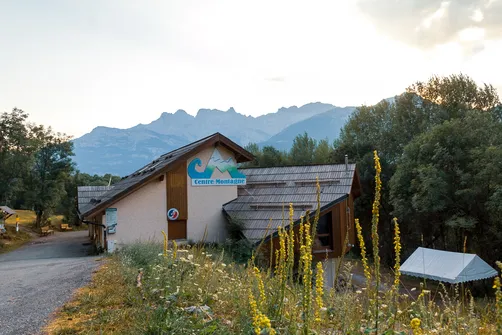
A place to exchange, share and enjoy! The Centre Montagne welcomes you in summer and winter to offer you all kinds of activities, workshops, concerts, shows...
Find out more
Nordic area
With its large larch forest and views of the Montbrison massif, the Nordic ski area welcomes you on over 36km of trails, taking you from the heights of the village, through meadows and forests, to alpine chalets.
Find out more"Villard-Saint-Pancrace is much more than a mountain village. It's a place of authenticity where every street tells us a story."
Villard-saint-Pancrace Its history
The village of Villard-Saint-Pancrace is steeped in fascinating history and a diverse natural heritage.
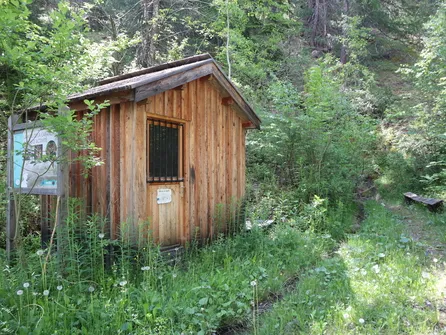
L’activité minière était bien présente au sein de village, avec l’exploitation des mines de charbon début XIXème Siècle. Aujourd’hui le Centre Montagne dispose d’un Musée de la mine, où vous pourrez en apprendre plus sur la vie de ces paysans mineur mais aussi découvrir les entrailles de la Mine de la Cabane.
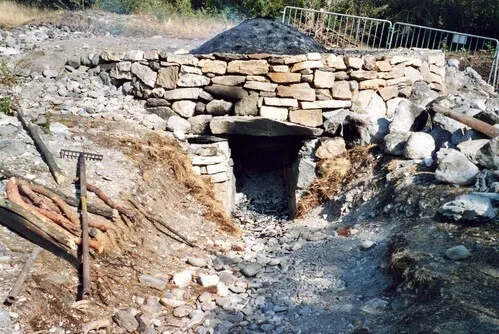
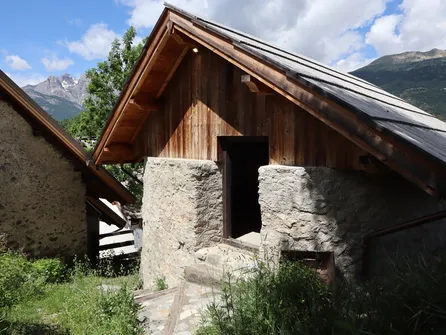
Traces of the past show the different skills present in the village: lime kilns, the best-known of which is located on the Croix de Bretagne road. These kilns were once used to transform limestone into lime, an essential building and agricultural material.
The presence of the Moulin de Sachas reveals and testifies to an essential skill, that of grinding grain and thus producing flour, an activity that was important to the inhabitants of the region. The flour produced was used to make bread locally. The mill has been undergoing restoration for several years now, with the aim of preserving this monument steeped in history, and producing flour once again!

And if you want to venture out on the hiking trails, you can discover the Lac de l'Orceyrette, a body of water renowned for its beauty in all seasons.
It is located near The Bois des Ayes Integrated Biological Reservewhich covers an area of around 150 hectares. This reserve was created to protect a forest ecosystem and its biodiversity. It is home to a large number of species, including the Little Owl, the Tengmalm's Owl, the Speckled Nutcracker... and many more!

Le Mélezin
With its rustic charm, the hamlet of Le Mélézin overlooks the valley, and offers you an escape to find calm and serenity.

Immersion in the Mélézin woods

Les Ayes
As you head off in the direction of Lac de l'Orceyrette, you'll undoubtedly come across the hamlet of Les Ayes and its chalets. This charming village is the ideal place to take a break during your hike.

Learn more
Find out moreOur selection favorites
-
Villar-Saint-Pancrace
 cultural heritage
Cabane Mine
-
Villar-Saint-Pancrace
 equipment
Mountain Center
-
Puy-Saint-André
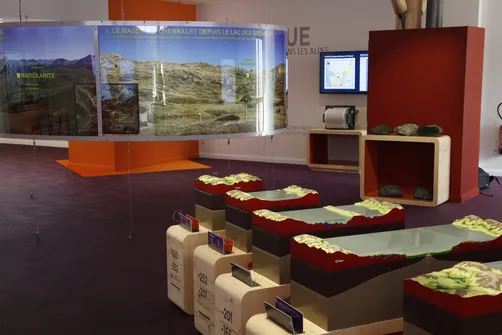
House of Geology and Geopark
- Durée journalière 01:30
-
Puy-Saint-Pierre
 cultural heritage
Lime kiln
-
Villar-Saint-Pancrace
 cultural heritage
Sachas' Mill
-
Puy-Saint-André
 cultural heritage
Fossa Mine
-
Puy-Saint-André
 cultural heritage
Envers Mine
-
Puy-Saint-Pierre
 cultural heritage
Combarine mine
-
Cervières
 visite_guidee
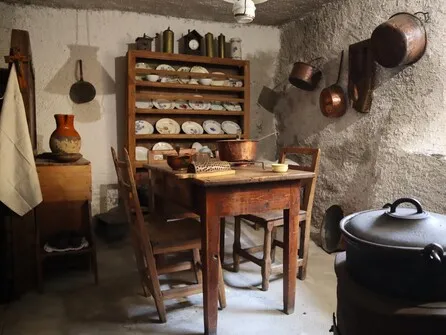
House museum "Faure-Vincent Dubois"
- 1
You may also like also

Top 15 lakes in the Hautes Vallées
Find out more
In the wood of the Little Owl
Find out more about the Little Owl