Retour
equipement
Retour
equipement
Ethnobotanical trail - Medicinal plants
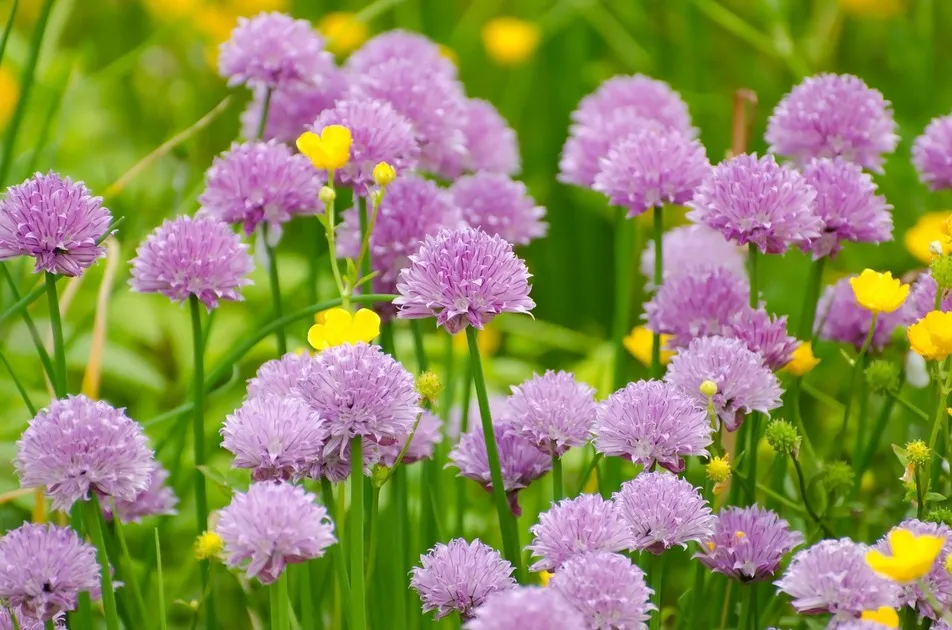
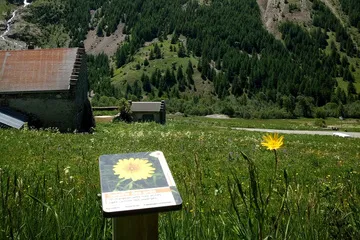
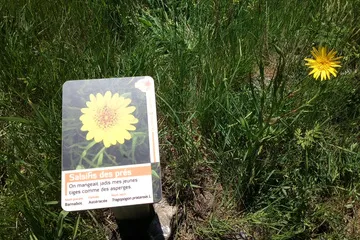
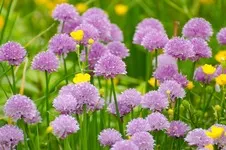
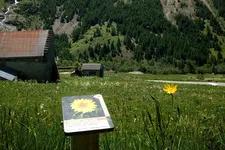
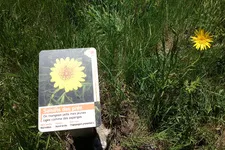
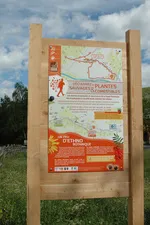
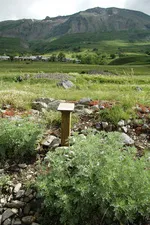
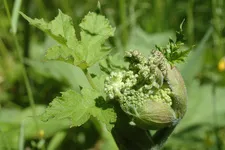
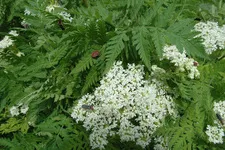
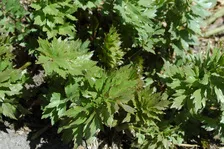
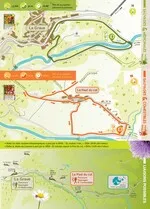
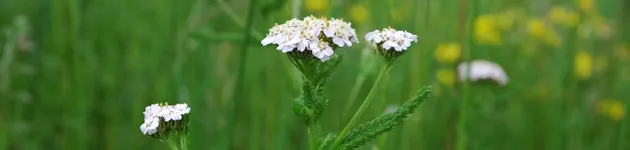
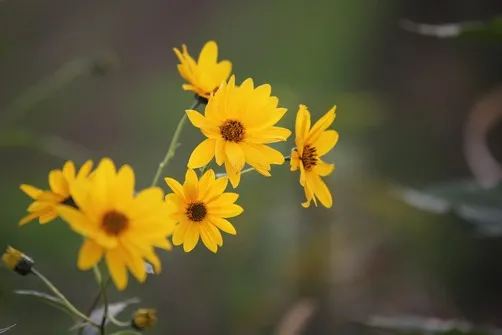
Wild plants offer many possibilities for those who have the patience to get to know them. The ethnobotanical trail of medicinal plants will introduce you to plants used in the past and those which can still be used.
Description
Sometimes you don’t have to go far to find what you need. A corner full of weeds can be as good as a pantry. Some plants we pull up are more nutritious and savoury than those we grow in our vegetable gardens. For instance, nettles and Good-King-Henry contain far more minerals than spinach.
In the old days, people picked because they had to. The poorest had the broadest repertoire. Today some great cooks particularly favour a little plant that was called “manure herb” when just a few years ago those who ate it were ashamed to admit it. Soup was the basis of the mountain farmers’ diet. Mostly it was made with potatoes and a few seasonal herbs. If it was too bland, a couple of leaves of the powerful “Maggi-herb”, which got its name from the stock cubes, would do the trick. In spring, baby leaves of various kinds awakened the taste buds.
The second ethnobotanical trail, in Arsine, focuses on edible plants.
You can connect the two ethnobotanical trails on foot by the GR54.
Équipements
-
 Themed path
-
Course
Tarifs
Free access. Trail map, educational booklet and small ethnobotanical guide available from the Tourist Information Office in La Grave.
Itinéraire
-
 Distance
1.7km
Distance
1.7km
-
 Type d'itinéraire
BOUCLE
Type d'itinéraire
BOUCLE
-
 Dénivelé positif
50m
Dénivelé positif
50m
-
 Durée journalière
02:00
Durée journalière
02:00
-
 Itinéraire balisé
Oui
Itinéraire balisé
Oui
Période d'ouverture
From 01/05 to 31/10 daily.
Subject to favorable weather.
Ouverture complémentaire
-
Subject to favorable weather
Langues parlées
-
 French
Tourisme adapté
-
 Not accessible in a wheelchair
Localisation


-
Distance
1.7km
-
Durée journalière
02:00
-
Dénivelé positif
50m
-
Type d'itinéraire
BOUCLE